Pro AI Writer · Roundup Post
The searcher is still comparing. A roundup is the page they choose from.
It reads the roundups already ranking for the theme, then covers their picks and the ones they missed. A shortlist with a reason for each.
- Theme first, picks second. — The outline starts from the theme the search wants, not a list of brands.
- It reads the roundups already ranking. — Shared picks, unique angles, and the gaps you can own.
- Each pick gets its own pass. — So entry eight isn't a paraphrase of entry three.
- Client products stay inside the brief. — No invented awards. Topics to avoid still apply.
- $2 a roundup draft. — Headline options 40¢. Publishing is free.
- A hundred-point score and a scanner. — It rewrites machine-sounding lines. It won't claim a detector pass.
- Publish when the picks still feel chosen. — WordPress or stored credentials. Link suggestions at publish time.
A shortlist with a reason for each pick,
on a page that covers the whole theme.
Some searches are people comparing a whole field at once.
They want a shortlist, and a reason behind every pick.
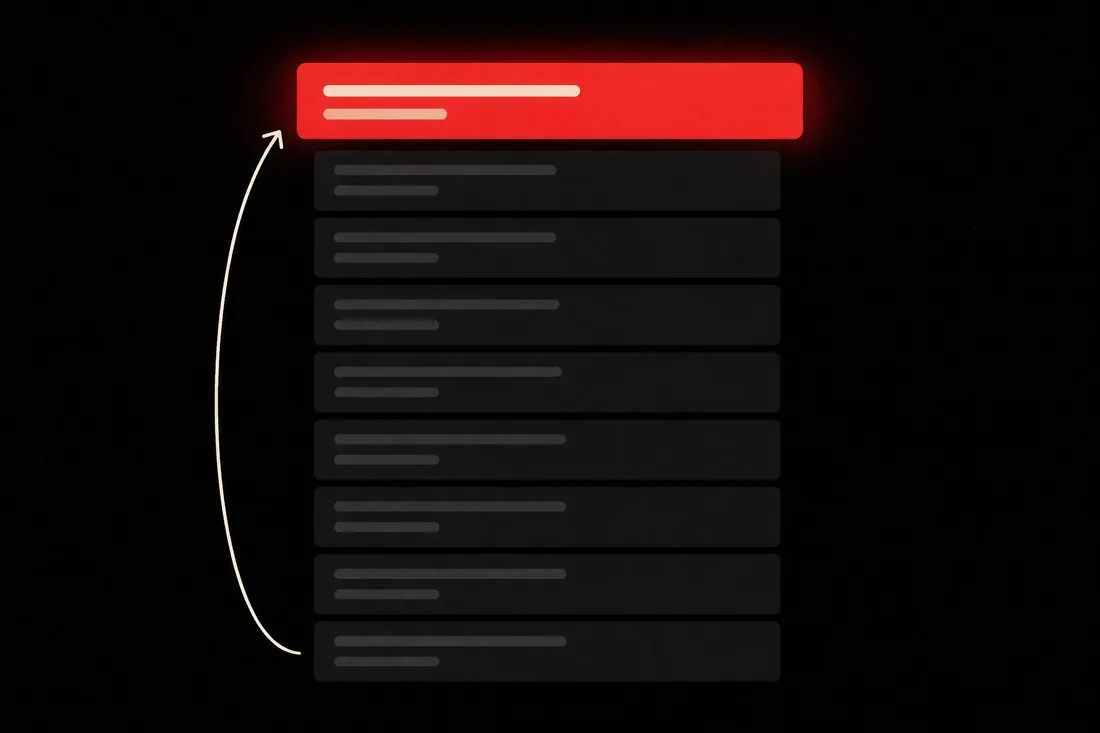
A roundup is the page shape that answers that search.
The roundups already ranking share a core set of picks between them.
Miss those and the page reads as incomplete, so it never competes.
This reads them first. It covers the shared picks, then the gaps they left.
No card required. See every tool and every price before you spend anything.
Choose a theme you already have opinions about.
Then read whether each pick earned its place. If every entry gets equal praise, the shortlist failed. The account is free and takes no card.
No card required. See every tool and every price before you spend anything.
How it writes one
It studies the roundups that already win the theme.
A list with no reasoning earns nothing. Reading what ranks is how you stop shipping one.
- 01
Pick Roundup Post and name the theme
Tools, tips or expert picks — one theme holding them together.
- 02
It pulls the ranking roundups
Live top ten, for the picks they share and the gaps they leave.
- 03
The pick set is locked in the outline
Before any prose, so the list can't bloat halfway through the draft.
- 04
The company brief goes in
Client facts as source material only, plus the topics to avoid.
- 05
Write the body first, introduction last
The opening summarises a collection that already exists.
- 06
Score, scan, publish
WordPress or stored credentials. Meta tags only. Links suggested at publish time.
What lands in your account
A roundup with a spine, not a directory dump.
- The article
- Headed, formatted, HTML ready for the blog — or route into a guest-post order.
- A 100-point content score
- Same rubric every format uses, broken down by category.
- An AI-likeness report
- What the scanner flagged and rewrote — a local scanner, not a promise.
- Headline options + featured image + meta
- Meta title and description only. No schema markup.
A draft is $2. Publishing is free.
A batch of headline options is 40¢. A failed run refunds itself. Credits don't expire.
No card required. See every tool and every price before you spend anything.
The countable part
What it costs and what it does.
- Format
- Roundup Post — one of eleven, set per article.
- The search it matches
- Someone comparing a field — tools, tips or expert picks around one clear theme.
- Full draft
- $2.
- Headline batch
- 40¢.
- Featured image redo
- 80¢.
- Publish to blog
- Included. WordPress or stored credentials.
- Company brief
- $2, once per client. Refunded if it fails.
- Internal links
- Suggested at publish time — not inserted during generation.
- What it does not do
- No schema markup. No detector pass claim. No delivery date.
The dollar figures above are what these work out to at the standard credit rate. Buy credits in bulk and they cost less. Every button prints its own cost before it spends.
What it costs to find out
Choose the roundup theme free. Nothing is spent until you draft.
The account needs no card. Add a client, open Roundup Post, and the $2 draft cost shows on the button before it spends.
Creating the account is free. Not a trial that takes your card "for verification" — no card at all, and no call with anyone.
And nothing expires on a timer. Credits sit in the account until you spend them.
When you're ready to spend
$0.35–$0.50
per credit, improving with the volume you commit to
See the full pricing page →What you are not signing
No contract, no minimum, no quote and no call. Buy credits monthly if the volume suits you, or buy a block once and owe nothing after it.
Every deliverable in the platform prints its credit cost on the button that spends it, so you always price the work before you run it.
No card required. See every tool and every price before you spend anything.
Before you ask
The questions we'd ask before pointing this at a client.
- What does a roundup do for my SEO?
- It matches a search the rest of your site isn't answering. A roundup search is someone comparing a whole field and looking for a shortlist. The roundups already ranking share a core set of picks, so the page has to cover those to look complete, then add the ones they left out. That is what the research step is for.
- How is Roundup different from Listicle?
- Listicle is ranked or grouped list energy — Top 10, best of. Roundup is a collection built around one theme, where each pick has a reason behind it rather than a strict ranking.
- Will this move my rankings?
- We won't promise a ranking change from one page, because nobody honestly can. What it does is make the page eligible to compete: it covers the picks the ranking roundups cover, at the depth they cover them, and gives the searcher the shortlist they came for.
- Will it pass an AI detector?
- We won't promise that. An on-board scanner flags machine-sounding passages, rewrites them, and reports what it changed.
- Where does it publish?
- WordPress, or any blog reachable with stored login credentials. Internal link suggestions at publish time. Not Shopify, Wix, Webflow or Squarespace.
- What does a draft cost?
- $2. Headline options are 40¢. Publishing is free, and a failed run refunds itself automatically.
A shortlist with a reason for each pick,
on a page that covers the whole theme.
Here is the part that has nothing to do with us. Someone in your results is already publishing the roundup for that theme. Every month it sits there, it collects the people still comparing.
Picture six months out. Either your resources page is still a dump of links. Or a scored roundup sits on every theme your client's buyers compare.
Run one on a theme you know well. Then check whether the picks feel chosen.
P.S. — The scanner cannot promise a pass on any commercial detector, and we say so before you ask. Create the account, run one roundup, and read the middle picks first. That is where a lazy list gives itself away. No card to get that far, and the draft is $2.
No card required. See every tool and every price before you spend anything.
The rest of Pro AI Writer