🔥 FREE ACCOUNT — NO CREDIT CARD REQUIRED 🔥
BUILT BY AN SEO WHO'S BEEN RANKING CLIENTS FOR ALMOST 30 YEARS: THIS IS EVERY TOOL HE USES
Get $50 in free credit. No card needed.
REAL NUMBERS FROM OUR CLIENTS' GOOGLE SEARCH CONSOLE
- ~30years ranking clients in Google
- 173M+Google impressions for our clients
- 798K+keywords showing up in Google
- 212K+keywords ranking in the top 3
YOUR SEO IS SPREAD ACROSS A DOZEN TABS. THAT'S THE PROBLEM.
One vendor for links. Another for citations. A writer you have to brief from scratch every time. A rank tracker that knows nothing about what you bought, and a spreadsheet holding the whole thing together.
Every handoff is a place where work gets lost, retyped or never checked. And when a client asks what their money did, you're stitching together four exports that don't agree with each other.
There's a better way to run SEO — and it fits on one screen.

WELCOME TO THE SEO COMMAND CENTER
Research, content, links, local, tracking and client delivery — under one login.
- Every service on one client record – the brief, the keywords, the orders, the rankings and the reports all live together.
- Type it once – the client's details and keywords flow into every order form, so nothing gets retyped or drifts.
- Plan a whole campaign in minutes – the Campaign Builder turns a keyword list into a full mix of content and links, then writes the cards onto the client board.
- Wholesale access to real placements – guest posts, niche edits, homepage links, press releases and syndication on sites you can inspect.
- Local SEO that moves the Map Pack – map citations, premium Maps signals and directory listings that all agree on who the business is.
- Content that's engineered to rank – an AI writer that studies the live top 10 before it writes, then scores and humanizes every draft.
- Proof on the same screen as the work – positions on three engines, Map Pack grids, Search Console and Analytics beside what you ordered.
- Reports your clients actually read – branded, scheduled and delivered by email, PDF, Google Drive or a client portal on your own subdomain.
- Every price before you spend – the account is free and needs no card; anything that costs credits shows the cost before it runs.
Get $50 in free credit. No card needed.
EVERY SEO TOOL YOUR AGENCY NEEDS, IN ONE PLATFORM
Fifteen products, one login. Click any card to see exactly how it works.
Content
AI Writer
CONTENT THAT STUDIES THE TOP 10 BEFORE IT WRITES A WORD
Google compares your page to the ten already ranking. Most AI writers never look at them — so you get filler that can't compete.
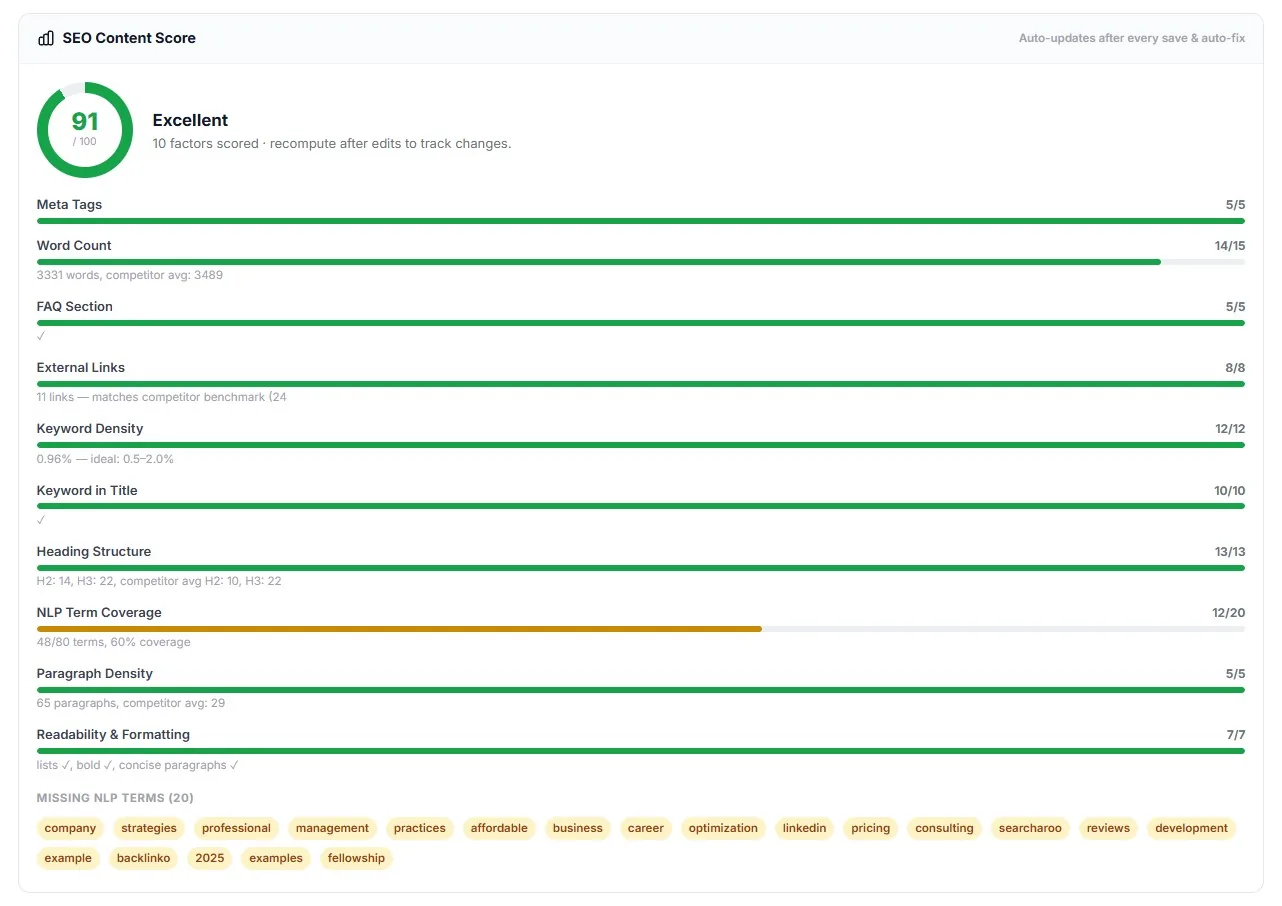
The Profit Labs™ AI Writer runs fourteen stages between your keyword and a finished article. Not a one-shot prompt.
- Live SERP analysis – reads the pages ranking today and engineers the draft to beat them.
- Competitor benchmarking – matches their length, structure and depth, then goes further.
- NLP terms and People Also Ask – covers the entities and real questions searchers type.
- 100-point SEO score – graded across 10 weighted ranking factors, with missing terms flagged.
- Built-in AI scanner – rewrites machine-sounding lines. A local scanner, not a promise about third-party detectors.
- One-click publishing – sends the finished article, featured image and all, straight to the client blog.
Local SEO
Google Radius Booster
GET FOUND ACROSS YOUR WHOLE SERVICE AREA
Google assumes you only work near your office. Customers ten miles away never see you in the Map Pack.
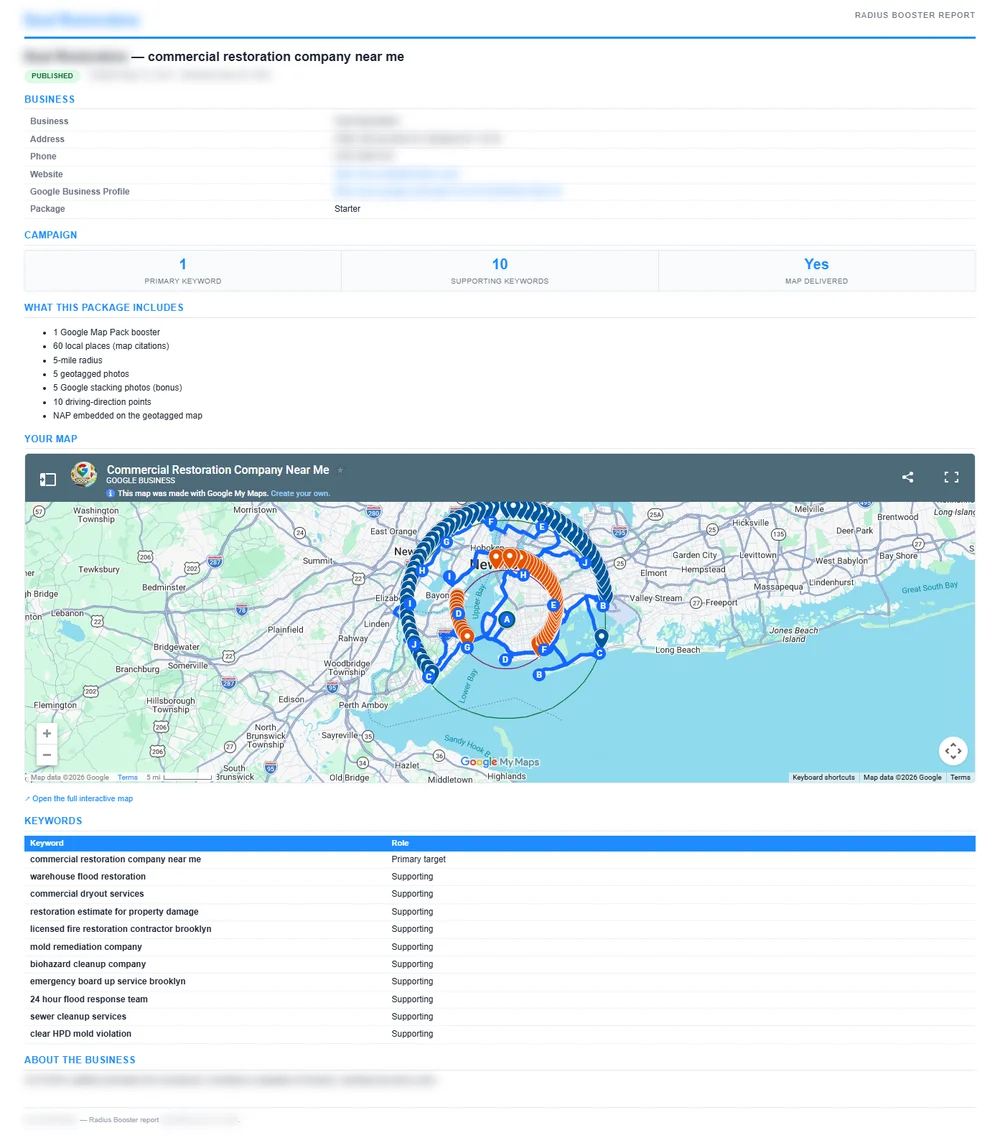
The Radius Booster spreads relevance signals across your entire service area — built and published for you.
- Up to 300 map citations – spread across your service area, out to a 40-mile radius.
- Geotagged photos – tied to the area, plus bonus Google stacking photos.
- Driving-direction routes – from across your area leading to your business.
- Your NAP, matched – name, address and phone exactly as they appear on your Business Profile.
- Nothing to learn – no map editor and nothing to set up. We build it, we publish it.
Local SEO
Google Maps Ranker
BREAK OUT OF THE FILTER HIDING YOUR LISTING
Great business, great reviews — and still buried on Google Maps. Often it's a relevance problem, not a reputation problem.
Maps Ranker builds the premium signals that tell Google exactly who you are, what you do and where.
- A premium custom Google map – tied to your Business Profile by its CID, the ID Google uses for your listing.
- Co-occurrence and co-citation – your name, services and area appearing together, so Google connects the dots.
- Google Cloud authority links – from Google's own trusted platforms back to your profile and site.
- Business Profile FAQs – written for your actual services.
- Authority cloud pages – written to be picked up by Google and by AI answers.
Local SEO
Local Citations
THIRTY LISTINGS THAT ALL TELL GOOGLE THE SAME STORY
Google can't rank a business it can't identify. Mismatched details across the web quietly cost you trust.
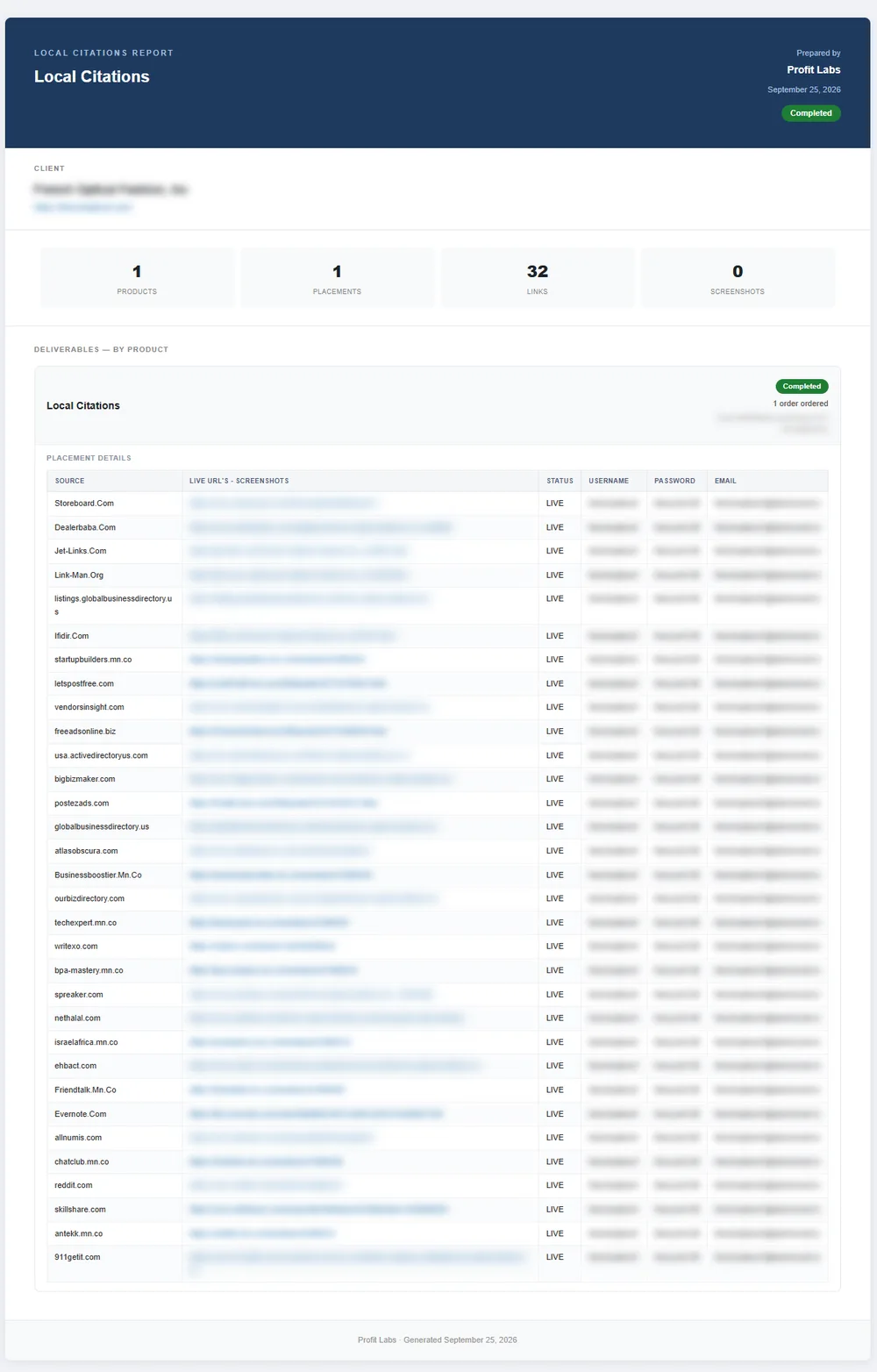
We place 30 listings with identical details, then hand you every login.
- 30 live listings – on niche and local directories chosen from your primary keyword.
- Identical details everywhere – name, address, phone, hours, description, socials and logo.
- Typed once – read straight from the client record, so nothing drifts on listing nineteen.
- Every login handed over – so you can update any listing later.
- A branded report – every listing in one place, with PDF and Google Drive export.
Get $50 in free credit. No card needed.
Backlinks & Authority
Guest Posts
GUEST POSTS ON REAL SITES YOU PICK YOURSELF
Outreach eats weeks. Mystery packages leave you guessing where your link landed. Here you see the site before you order it.
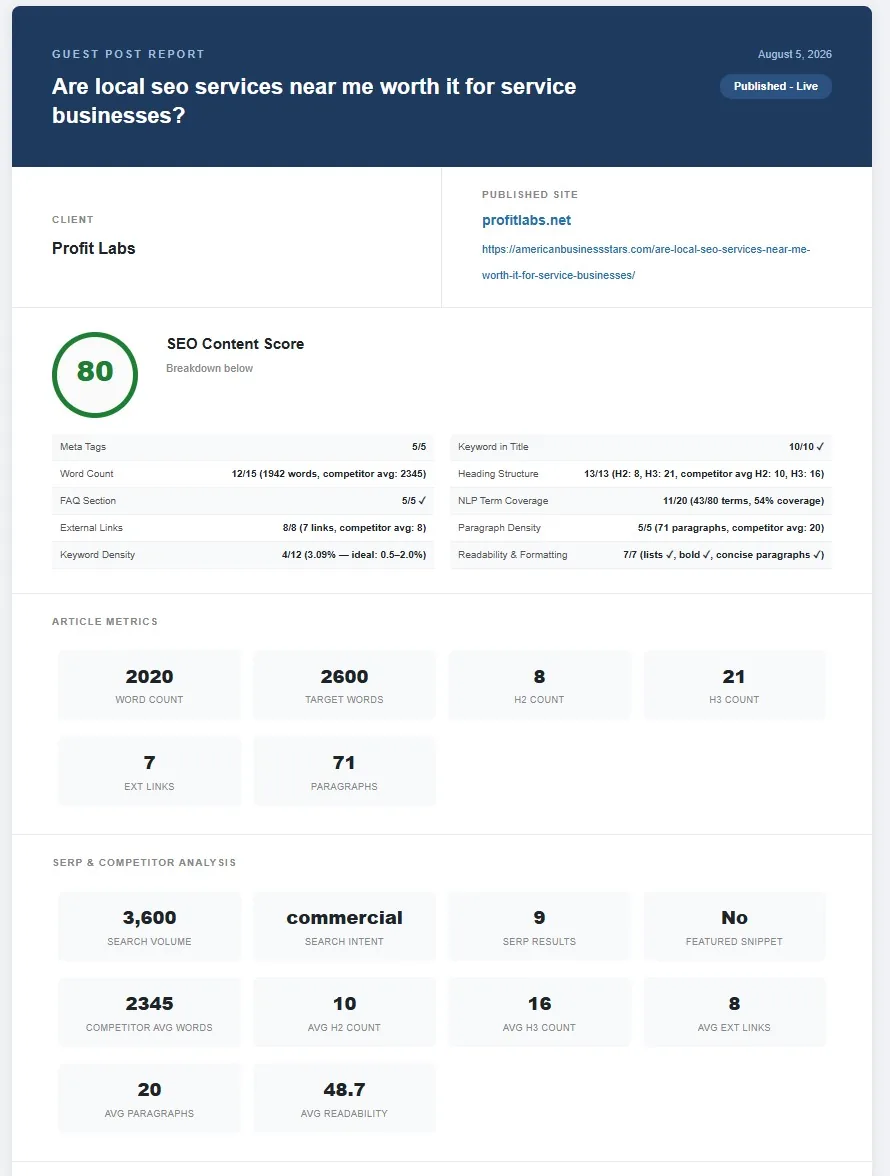
- A marketplace of publishers – real, trafficked sites with authority metrics shown up front.
- You choose the exact site – no guessing and no mystery packages.
- An article written for you – from the client brief, checked against the publisher's rules. Or write your own.
- Client approval first – send the article for sign-off before it goes anywhere.
- Every placement tracked – publisher, status and live URL on your Reports page.
Backlinks & Authority
Niche Edits
THE AUTHORITY YOUR ON-PAGE WORK IS MISSING
Good on-page SEO and the page still won't move? You're usually missing authority.
Niche edits place your link inside an existing, relevant post on an aged site with real traffic.
- US websites only – every placement on a US site with a US audience.
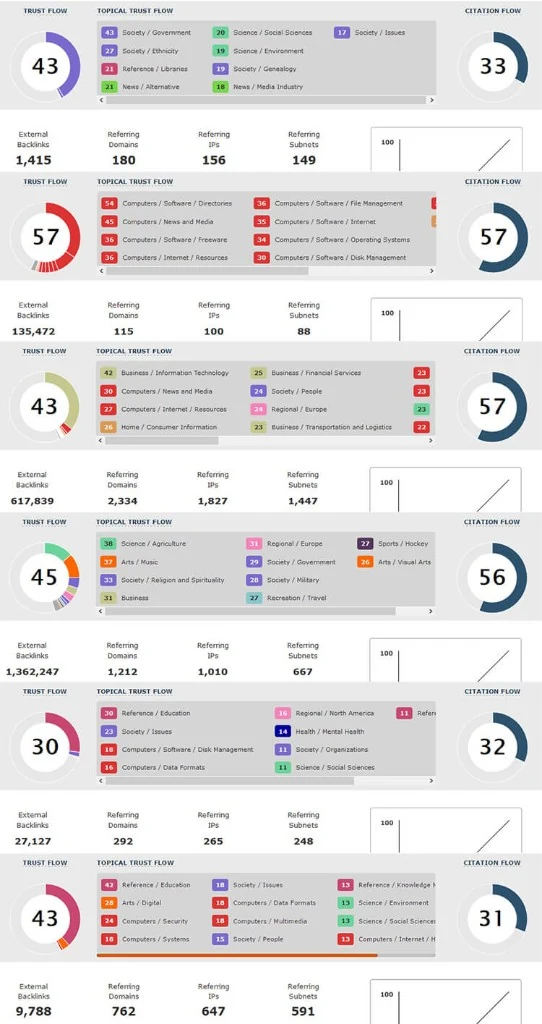
- Real sites, not a network – aged sites with real traffic. Not PBNs, not web 2.0s.
- In-content and relevant – inside the body of a related post — not a sidebar or footer.
- Free replacement – if a link is ever removed, we replace it.
- Your anchor, your page – or import targets from the Campaign Builder or Search Console.
Backlinks & Authority
Homepage PBN
HOMEPAGE LINKS THAT STAY PUT
A link buried in an archive passes a fraction of its power. A homepage link sits on the strongest page of the site — and these never rotate out.
- Permanent homepage placement – never pushed to an archive.
- Human-written posts – original, written for your keyword by a native English speaker.
- Low outbound links – no more than 30 posts and 60 outbound links per site.
- Real authority – Trust Flow 15+ and 10+ referring domains, measured with Majestic.
- No footprint – sites built to look like real businesses, run to stay footprint-free.

Backlinks & Authority
Blog Syndication
ONE BLOG POST. HUNDREDS OF PLACES TO BE FOUND
You already wrote the post. Right now it's sitting alone on one blog.
Syndication puts it on authoritative sites across the web, each copy pointing back to your original.
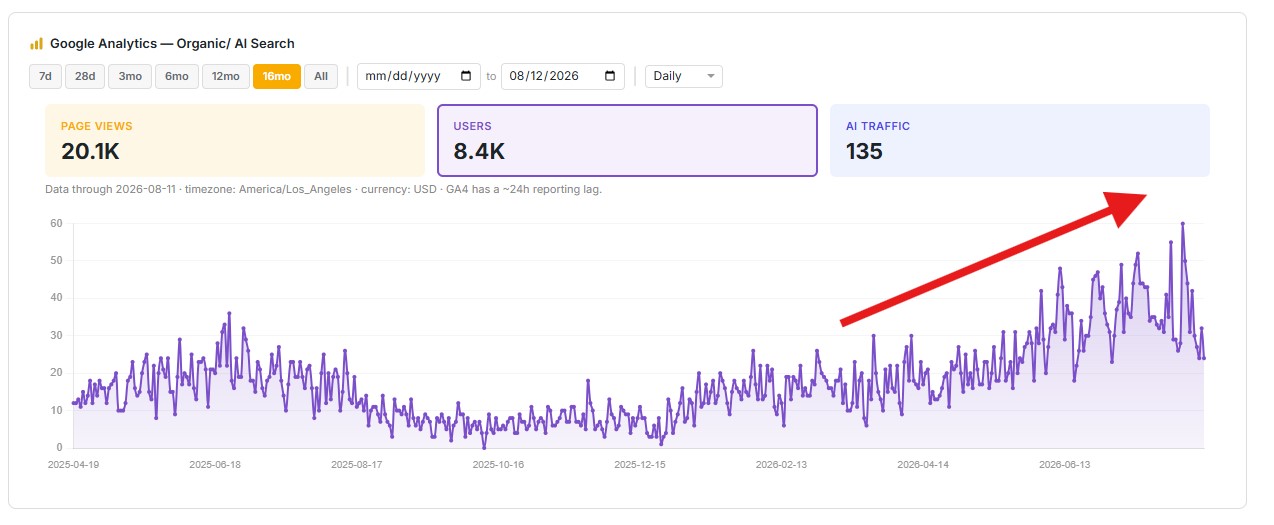
- Hundreds of high-authority backlinks – per post, with a full report.
- Faster topical relevance – new content spread across authoritative sites builds authority quickly.
- No extra writing – submit the post link and we do the rest.
- Built for consistency – syndicate each new post once and let it compound.
Backlinks & Authority
Press Release
PUT YOUR BRAND ON 500+ NEWS SITES
Third-party mentions build the brand signals that lift every page on your site. One release gets them in front of real news audiences.
- 500+ real news sites – genuine news, TV and radio sites, all at once.
- Household-name outlets – reach outlets like AP News, USA Today, Yahoo and MarketWatch.
- An AI press release writer – drafts a newsworthy release from your company brief.
- Client approval built in – edit it yourself or send it for sign-off.
- A full placement report – every live placement listed, with a PDF to keep.

Backlinks & Authority
Dofollow PR
PRESS RELEASE LINKS THAT ACTUALLY PASS AUTHORITY
Almost every newswire marks its links nofollow, so a normal release builds your name but passes no ranking weight.
This one goes to high-traffic, high-DR news sites where every link is dofollow.
- Every link dofollow – authority from each news site flows to the page you link.
- High-DR news sites – fewer, stronger placements instead of hundreds of nofollow reposts.
- Your keyword, your page – point the links at the page you want to rank, with the keyword you want it to rank for.
- Written for you – the same AI Writer and review as our standard releases, with client approval first.
- Every link reported – each live placement listed on your Reports page, with a PDF to keep.

Backlinks & Authority
AI Dominator
GET NAMED WHEN BUYERS ASK AI WHO TO HIRE
Your buyers are asking AI assistants for recommendations. If your brand isn't mentioned where those models look, you aren't in the answer.
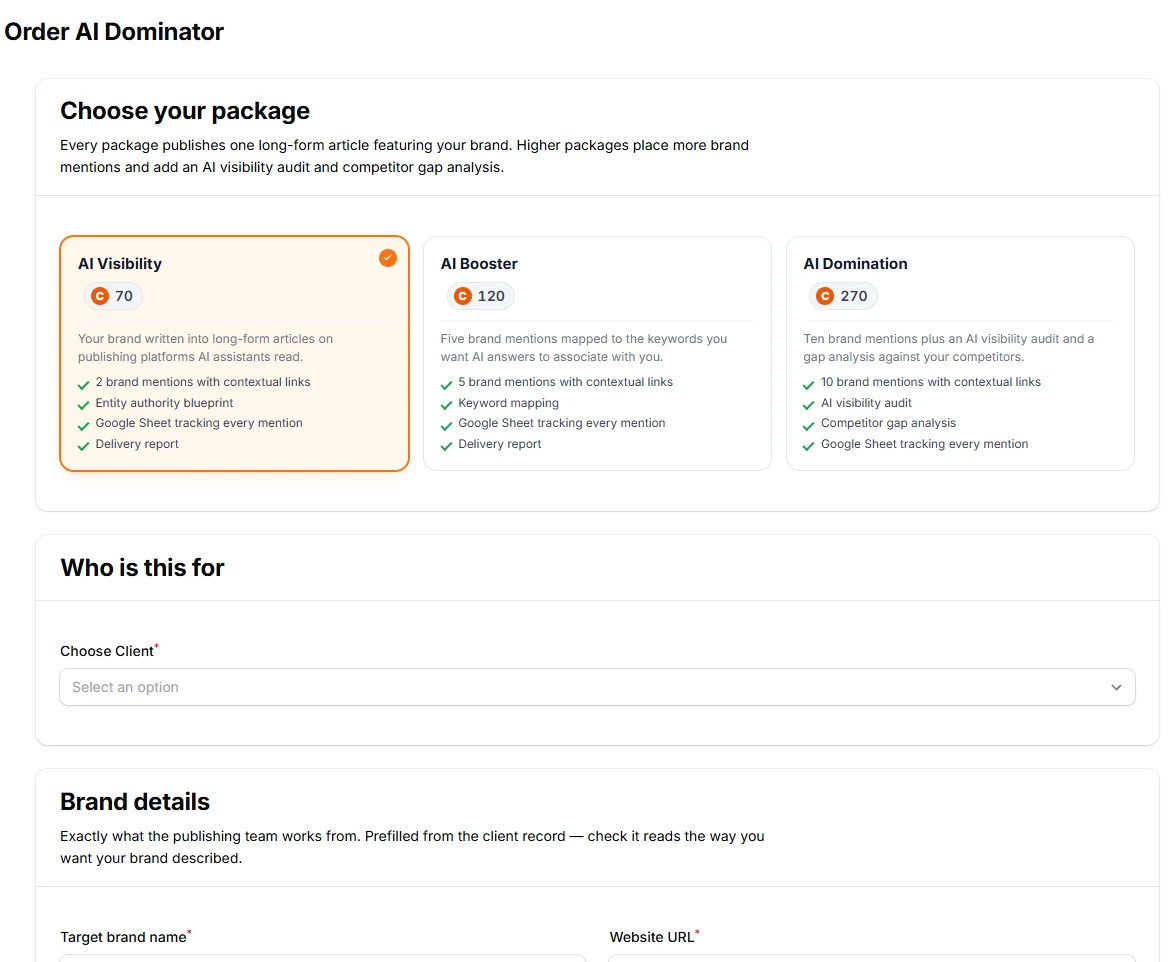
- Brand mentions on trusted sites – 2 to 10 mentions on platforms AI models read and trust.
- Built around your keywords – contextual mentions tied to what buyers actually ask.
- Benchmarked against competitors – written to win the comparisons AI answers make.
- AI traffic in Google Analytics – check the AI traffic to your website in Profit Labs™.
- Google AI Mentions – see whether Google’s AI Overview cites your website for the keywords you track.
Get $50 in free credit. No card needed.
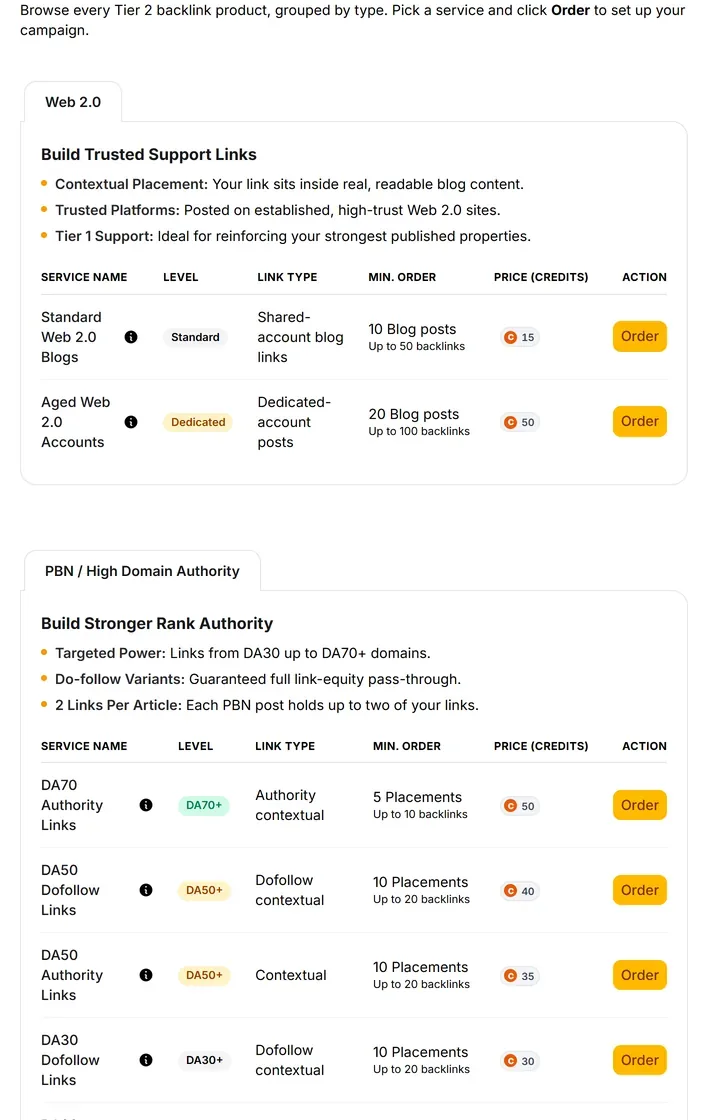
Tier 2 Links
Tier 2 Boosters
MAKE THE LINKS YOU ALREADY BOUGHT HIT HARDER
A link is only as strong as the links pointing at it. Tier 2 sends power to your placements — never to the money site.
- A target list that fills itself – your published articles, releases, guest posts and citations, already listed.
- Money site protected – the client's own site and blog are excluded by design.
- Every platform, one builder – web 2.0s, authority links, .EDU, wikis, forums, profiles, social and more.
- Anchors from your own data – pulled from tracked rankings and Search Console.
- Review before you publish – see the full composition first; building a run costs nothing.
SEO Tools
Rank Tracker
PROOF THE WORK MOVED SOMETHING
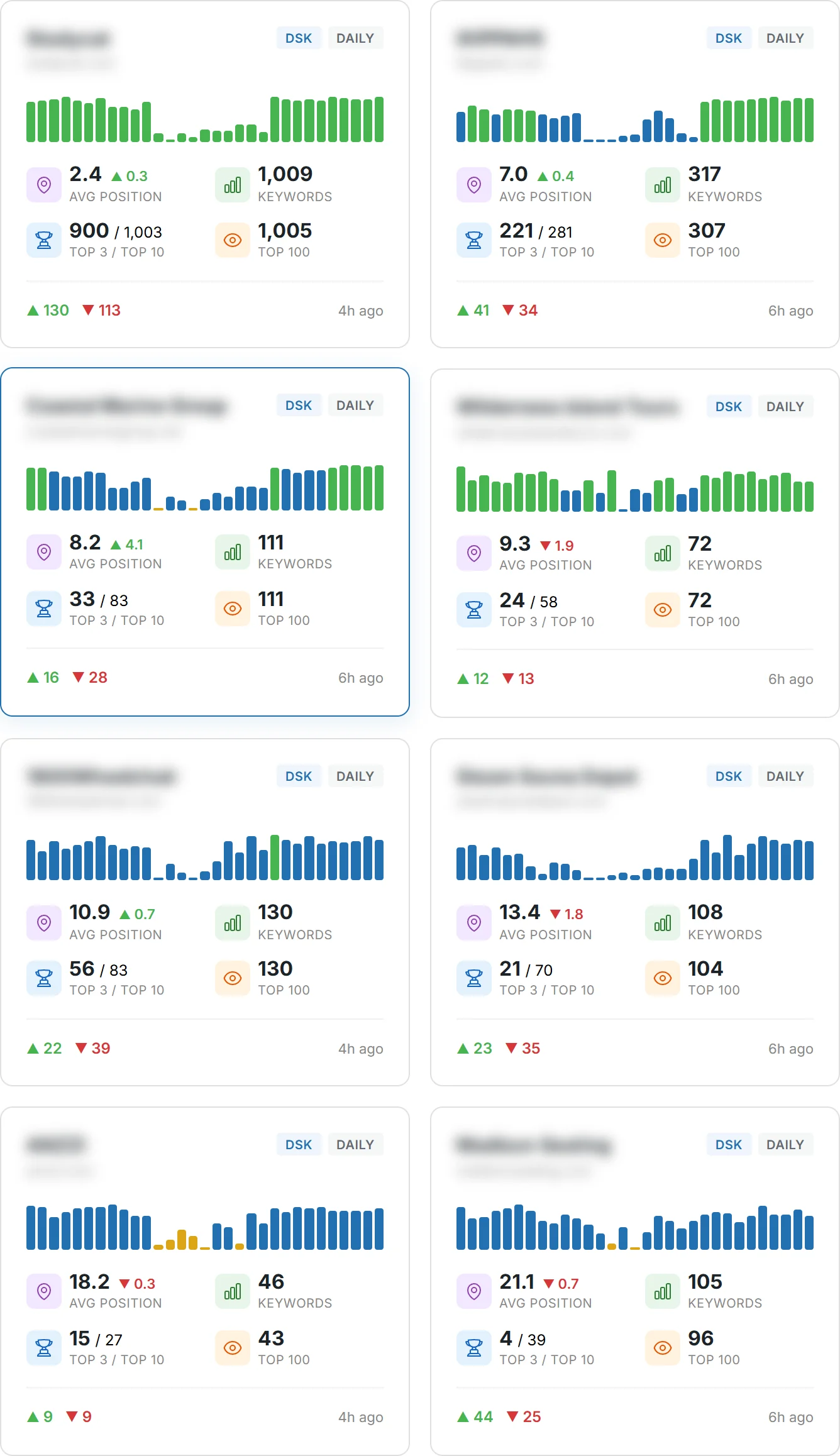
Rankings in one tool, links in another, reports in a spreadsheet — so nobody can connect the work to the result. Here the positions sit on the same client record as everything you ordered.
- Google, Bing and Yahoo – desktop and mobile as separate projects, never averaged.
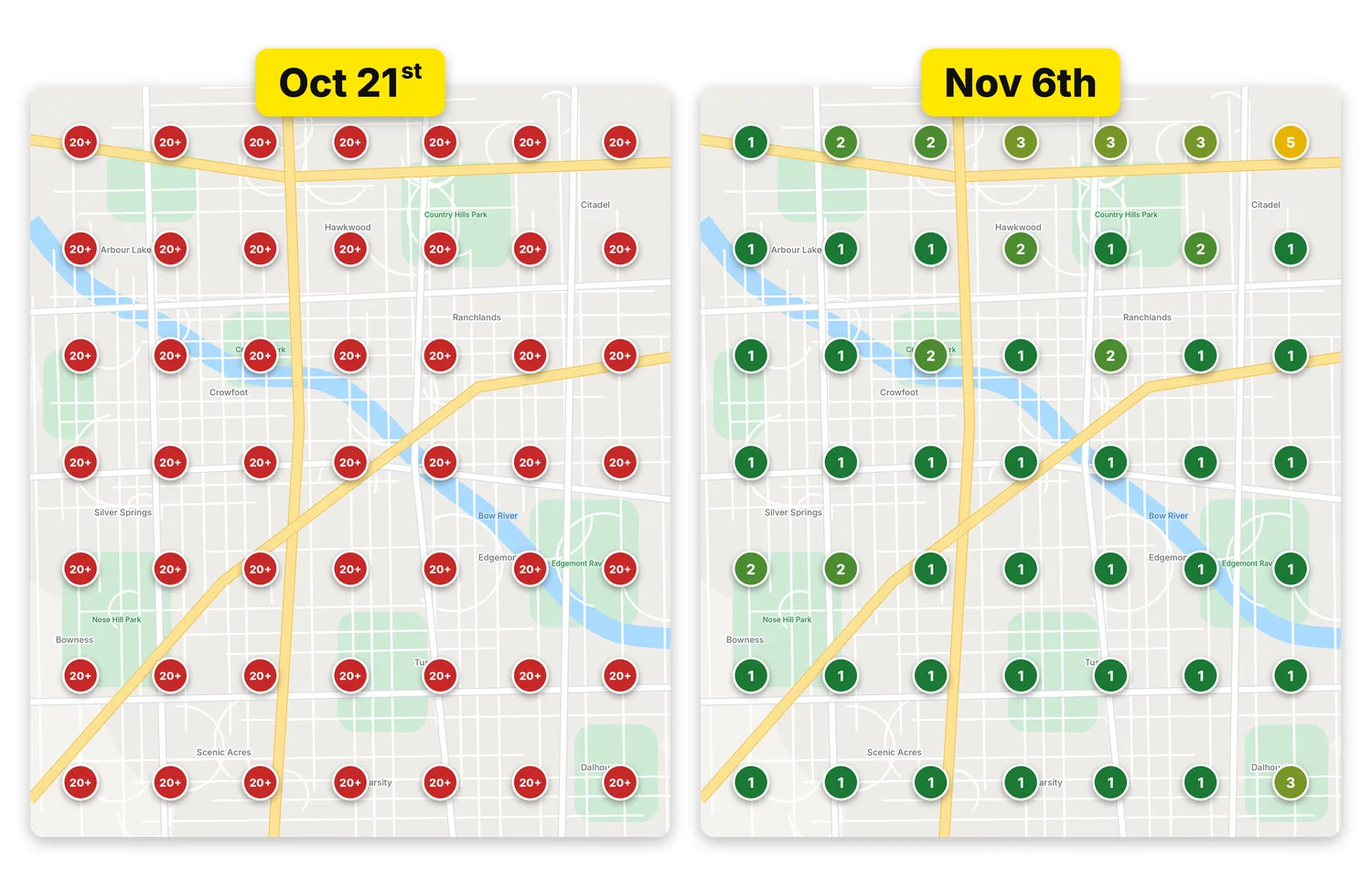
- Map Pack grid scans – see coverage street by street across the service area.
- AI Overview mentions – whether Google's AI Overview named the client comes back with the check.
- Search Console and Analytics – connect once; viewing the panels is free.
- Branded reports on autopilot – email, PDF, Google Drive or a client portal.
SEO Tools
Project CRM
STOP RETYPING YOUR PLAN INTO ORDER FORMS
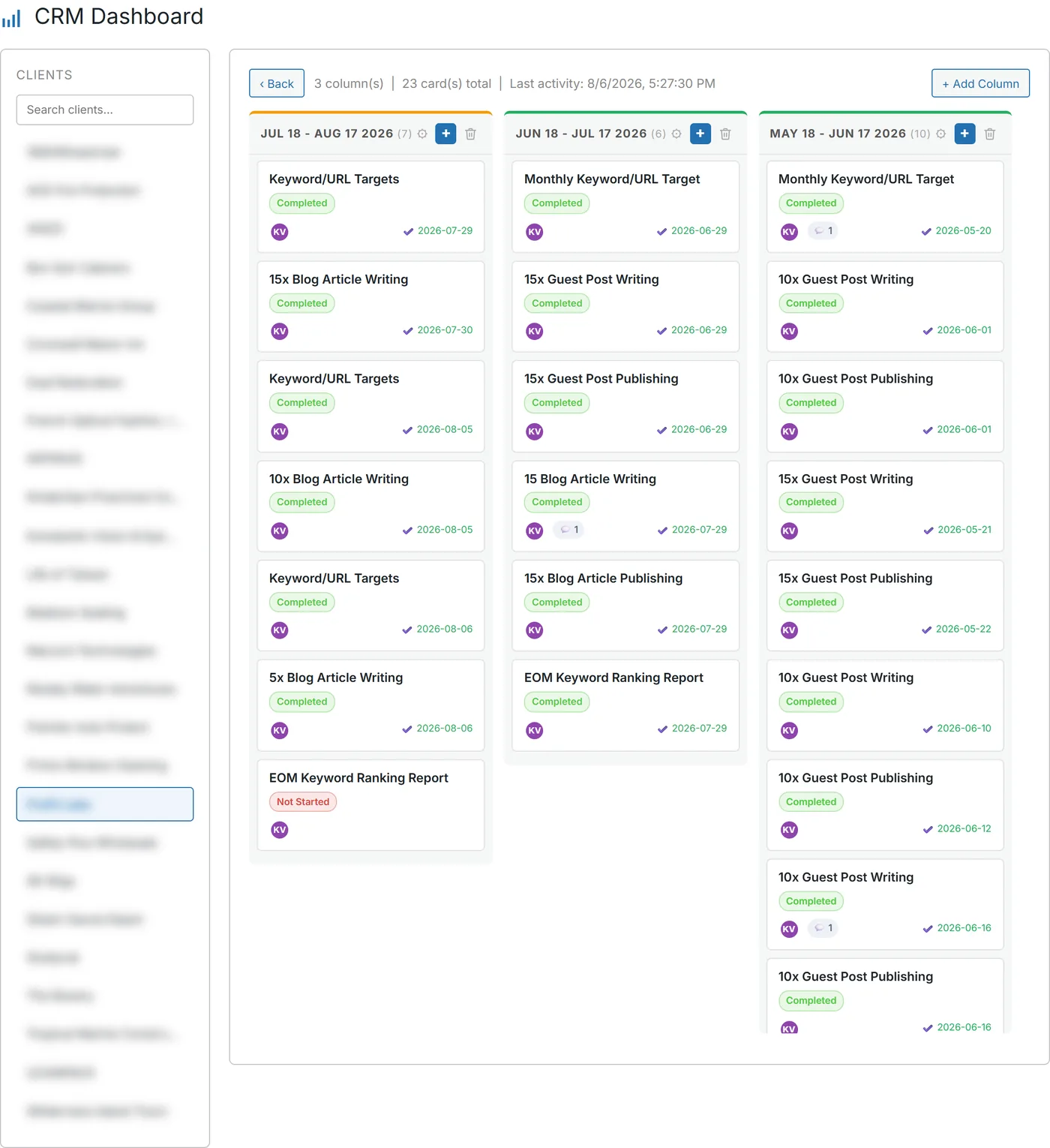
The plan and the order form shouldn't be two separate jobs. Press Launch on a card and the tool opens with the client and keywords already filled in.
- A board per client – next to their brief, rankings and orders.
- Campaigns write their own cards – finish a plan in the Campaign Builder and the board fills in.
- Internal columns stay private – your team sees them, your client never does.
- A client view on your subdomain – clients see progress without asking you for it.
- Replies land on the card – status emails under your brand, answers threaded back.
SEO Tools
Keyword Planner
PICK KEYWORDS PEOPLE ACTUALLY SEARCH
Ranking #1 for a keyword nobody searches wins you nothing. Check the demand before you spend a minute on it.
- Ideas from one word – type a root keyword and a location, get related keywords.
- Real search volume – for the United States or any single US state.
- Competition and bids – see how hard a term is fought over and what the click is worth.
- Add to Project – push the keepers straight into the Rank Tracker.
- Actually free – not a trial. Nothing is ever deducted.

Get $50 in free credit. No card needed.
REAL RESULTS FROM REAL CAMPAIGNS
Screenshots straight from the dashboards — click any one to see it full size.
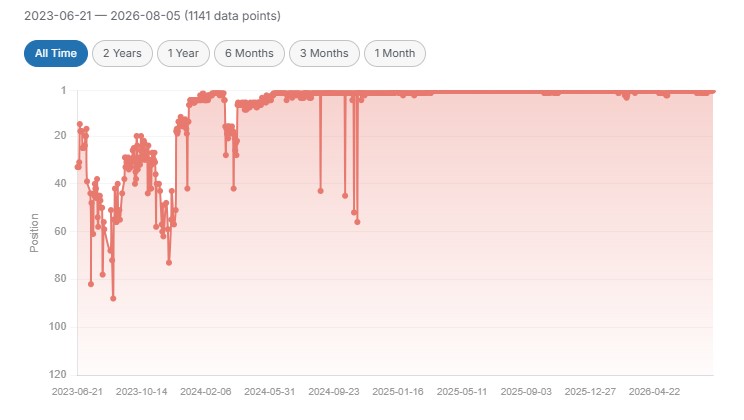
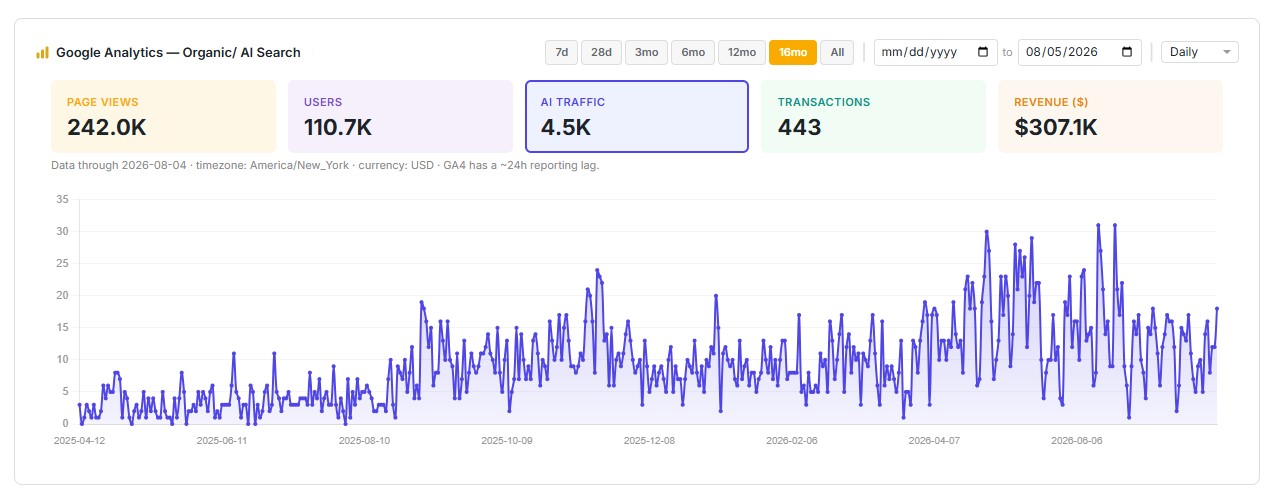
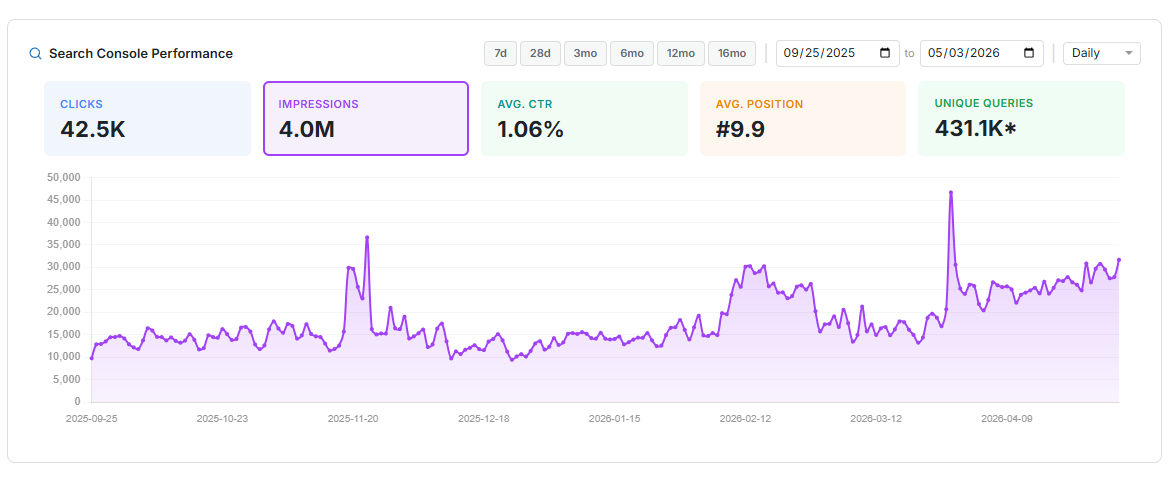
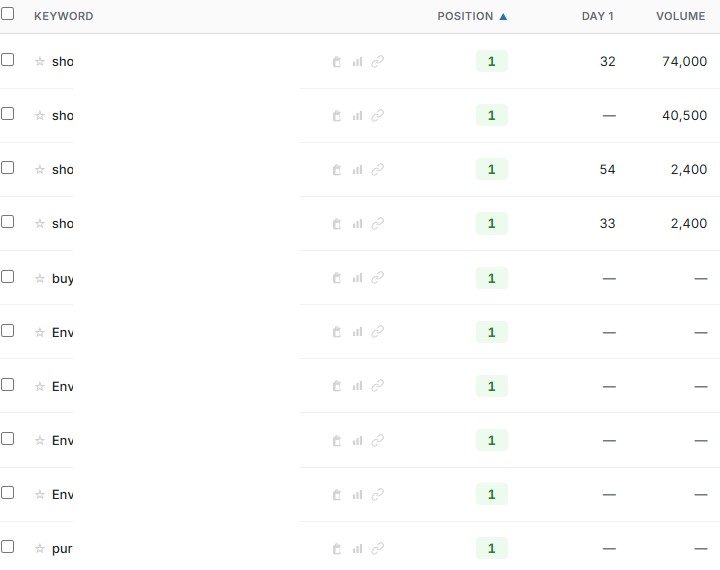
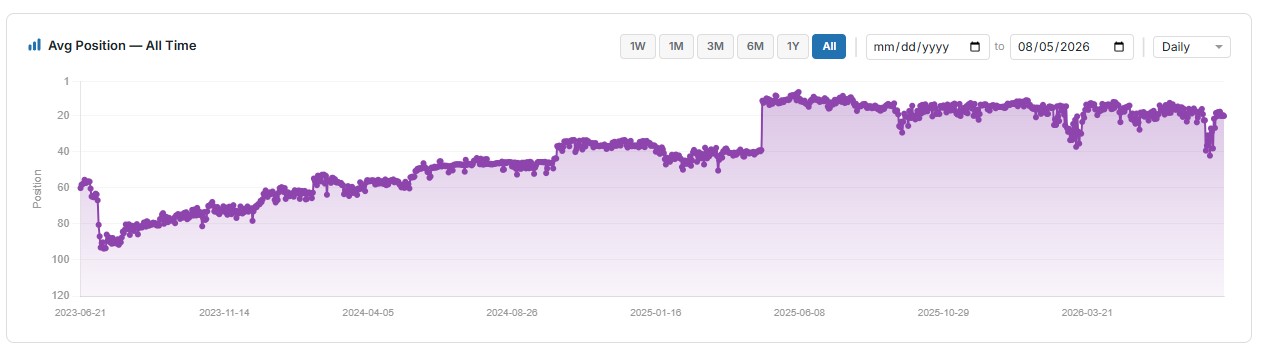
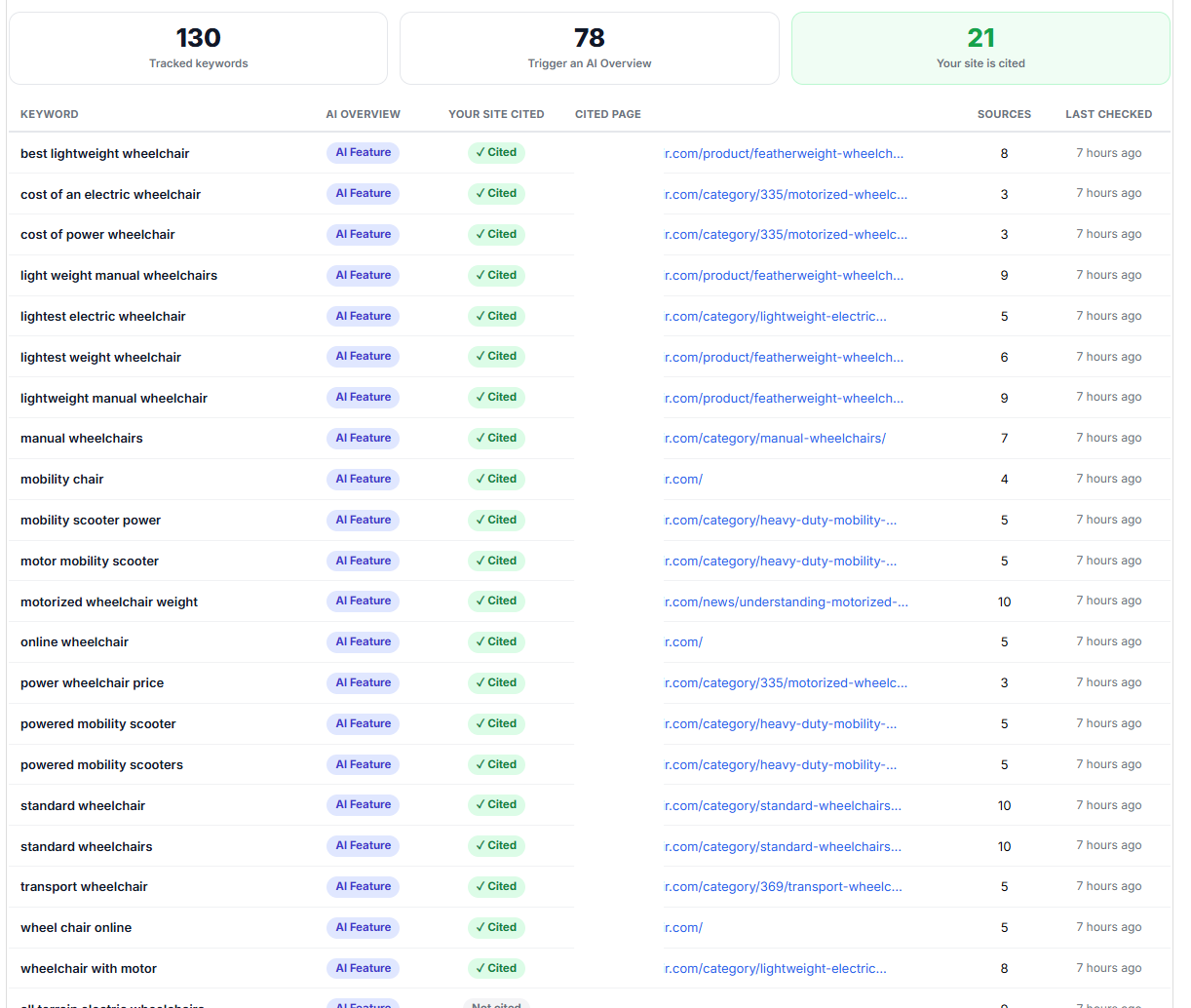
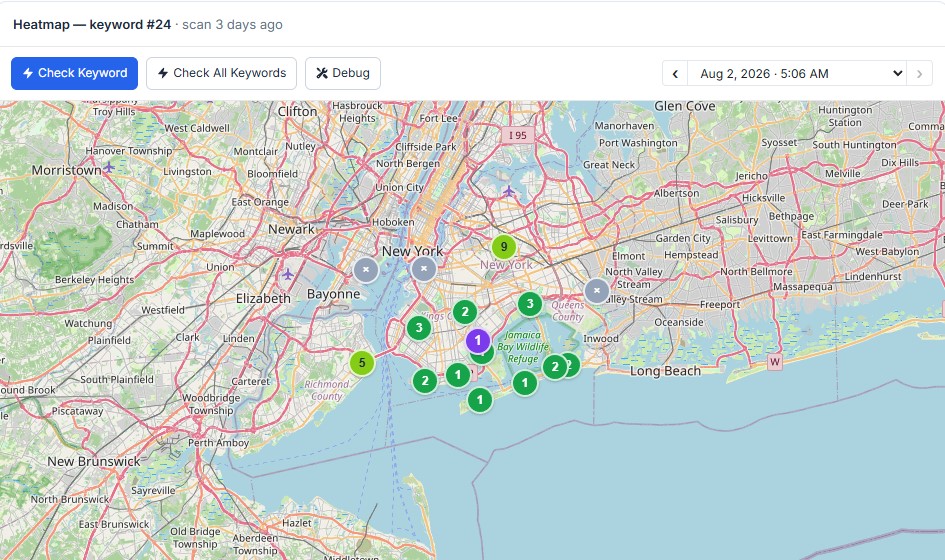
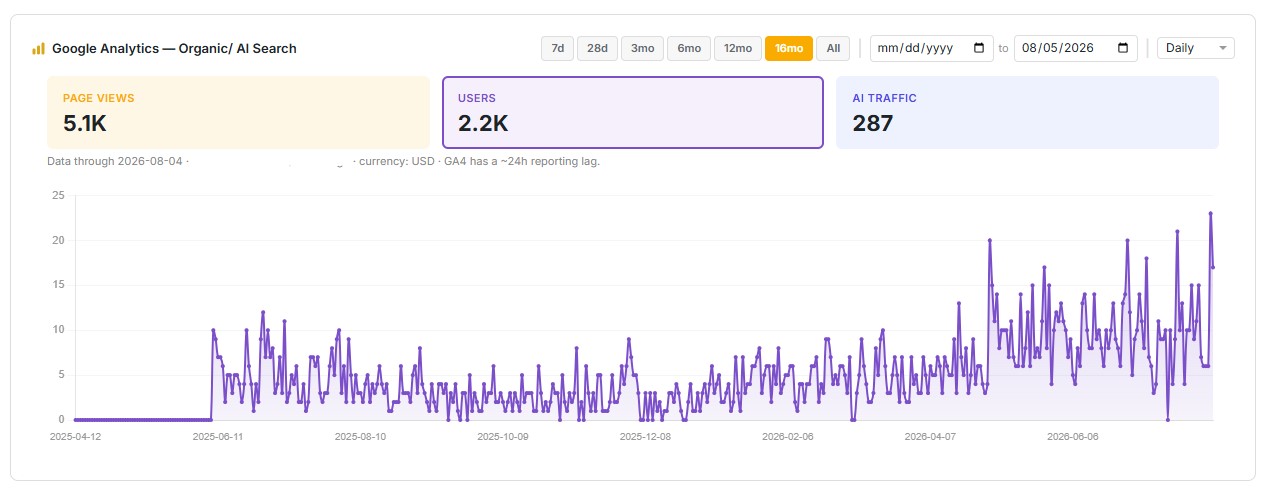
Screenshots from our own client programs, with client names hidden. Past results, not a promise about yours — nobody can guarantee rankings.
Get $50 in free credit. No card needed.
BUILT BY AN SEO WHO'S BEEN RANKING CLIENTS FOR ALMOST THREE DECADES
I've spent almost thirty years getting businesses found on Google — and making them money doing it. Not as a side interest. As the job, every day, for the kind of clients who notice the moment the phone stops ringing.
For most of those years the operation looked like the one at the top of this page: vendors in a spreadsheet, placements I couldn't verify without opening nine tabs, and a monthly ritual of stitching reports together by hand.
So we built tools to fix the worst part of the week. Then the next worst part. Every one of them ran our own client programs before it ever had a sign-up page — that's why the numbers on this page are ours, taken off the same machine you'd be using.
Now the same command center is yours, with every price in front of you before you spend a cent.
— Ron Tsantker, founder of Profit Labs™
HERE'S HOW IT WORKS
From sign-up to your first order in minutes.
- 1Create your free accountAbout a minute. No credit card.
- 2Add a clientTheir brief, keywords and details are saved once and used everywhere.
- 3Launch the workOrder, write, build and track from one dashboard — and report it under your logo.
Get $50 in free credit. No card needed.
IS THE COMMAND CENTER RIGHT FOR YOU?
This is for you if…
- You run an SEO agency and want every client's work, proof and reporting in one place.
- You're a freelancer who wants wholesale access to the same services agencies resell.
- You own a business and want to see exactly what's being done to grow it.
- You're tired of juggling vendors, spreadsheets and reports that don't agree.
This is NOT for you if…
- You want someone to promise you a #1 ranking by a date. Nobody honest can.
- You're looking for shortcuts that put a client's website at risk.
ZERO RISK. THE ACCOUNT IS FREE.
Opening your Profit Labs™ account costs nothing and there's no credit card to enter. Look around every tool, add a client and see every price.
You only spend when you choose to — and the cost is always shown before anything runs.
Get $50 in free credit. No card needed.
FREQUENTLY ASKED QUESTIONS
What exactly is the Profit Labs™ SEO platform?
An SEO command center: research, content, backlinks, local SEO, rank tracking, a client CRM and reporting in one platform, all tied to the client record.
Is the account really free?
Yes. Opening an account costs nothing and there is no credit card to enter. The Keyword Planner and the CRM board are free to use; paid services show their cost before you order.
Who is it built for?
SEO agencies, freelancers and business owners. Agencies get branded reports and a client portal on their own subdomain.
Do you guarantee rankings?
No. Nobody controls Google, and anyone who promises a ranking by a date is guessing. We give you the tools and services we use on our own client programs, and the tracking to see what moved.
Can my clients see their progress?
Yes. Rankings, deliverables and reports can be shared through a client portal on your own subdomain, and internal work stays private.
Do I need to be an SEO expert?
No. Every service takes the client details you saved once, and every tool explains what it does before you spend anything.
YOUR ALL-IN-ONE SEO PLATFORM IS ONE CLICK AWAY
Get $50 in free credit. No card needed.