Pro AI Writer · News
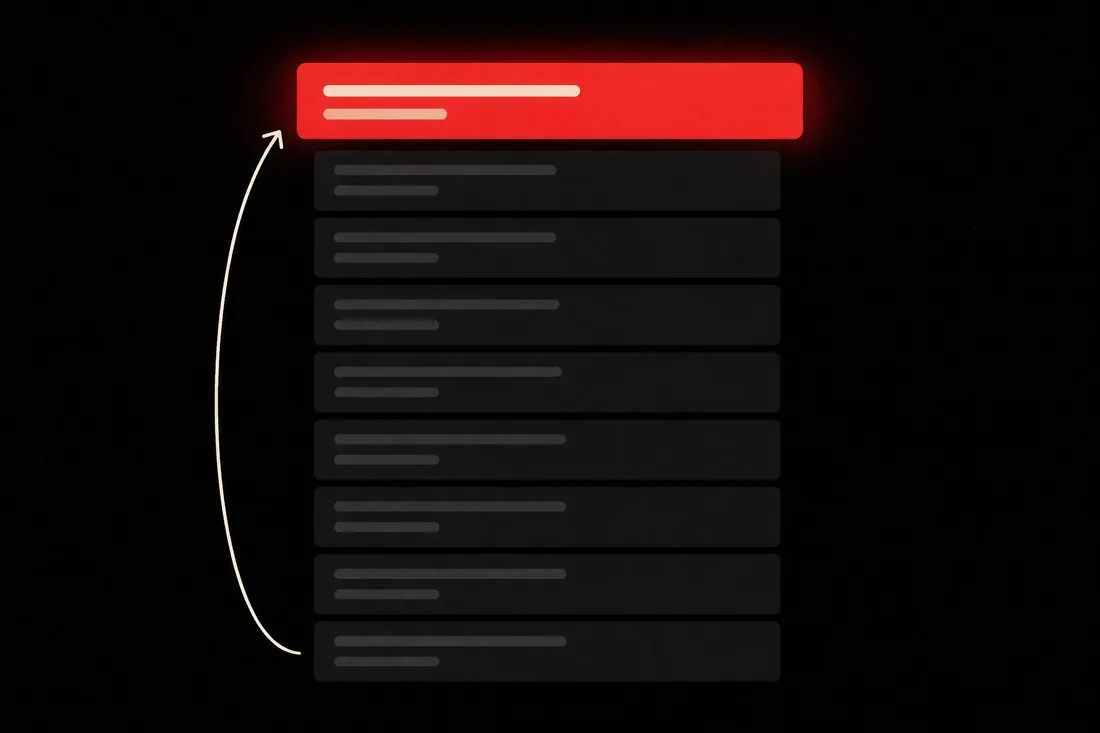
A story just broke. Freshness is what ranks it.
News style puts the fact first, the context second, the detail last. That is what a searcher on a live story wants. $2 a draft.
- The fact goes in the first lines. — That is a format setting here, not advice in a style guide nobody opens.
- A fresh story is its own intent. — The searcher wants what happened, not atmosphere.
- It reads the coverage already ranking. — The live top ten, for the angles and the names that story is told with.
- Report-shaped, not a thinkpiece. — If you want an argument, pick Opinion Piece instead.
- Your client's real facts only. — No invented awards, licences or coverage areas.
- It goes on your client's blog. — It is not sent to news outlets. That is the press-release product.
- A draft is $2. — Headline options are 40¢. Publishing is free.
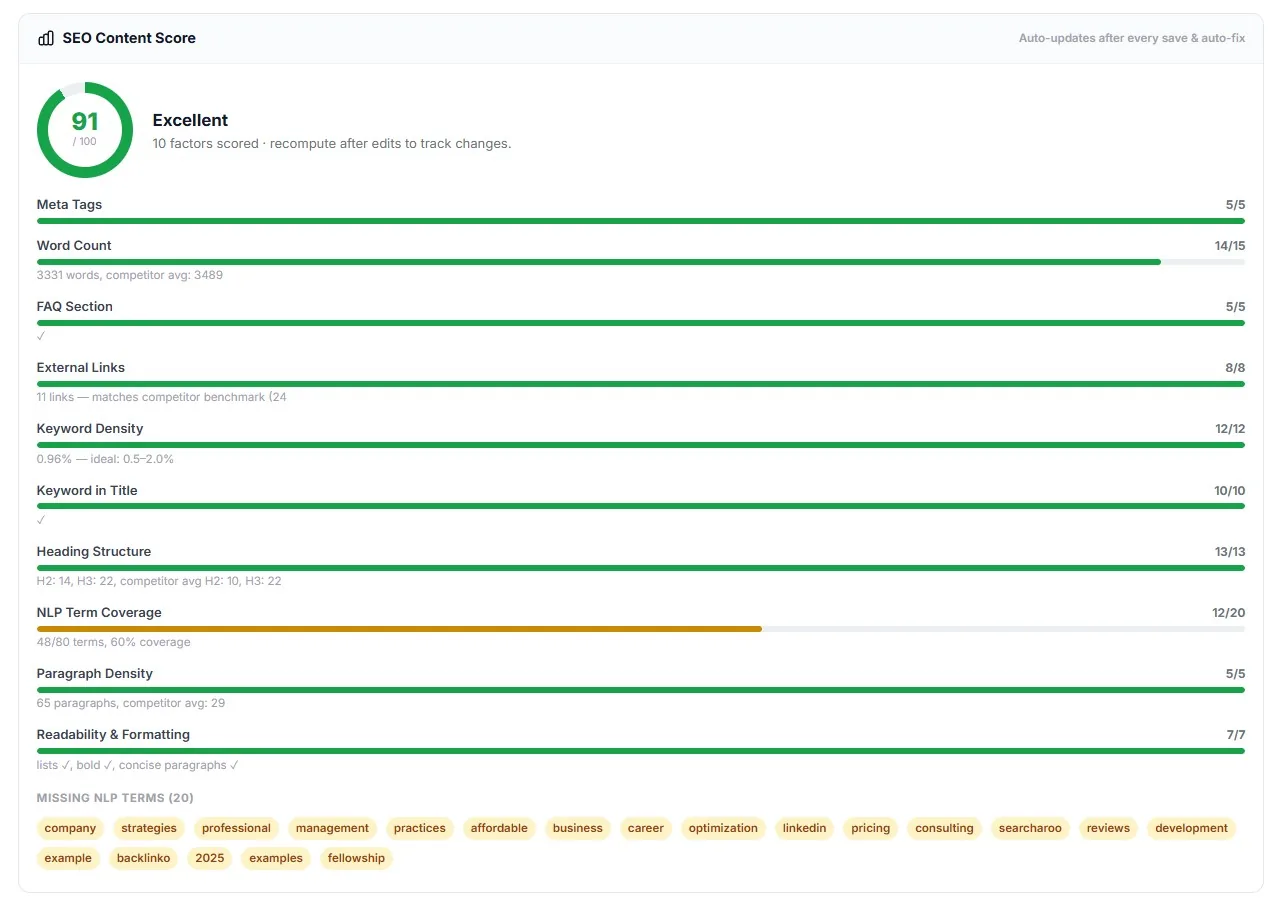
- A score, and a scanner. — It rewrites machine-sounding lines. It cannot promise a detector pass.
The development, reported straight,
with the news in the first two lines.
A new story is its own kind of search.
People want the facts, fast, from a page that has them.
So the shape of the page matters as much as the writing.
News style puts the fact first. Context second. Detail last.
Bury the news in paragraph four and the skimmer is already gone.
It still reads the coverage already ranking, so your page covers what theirs cover.
No card required. See every tool and every price before you spend anything.
Paste in a development you already understand.
The account is free and takes no card. Read the first three lines of the draft. If the news is not in them, the format failed and you will know at a glance.
No card required. See every tool and every price before you spend anything.
How it works
Fact first, then context, then detail.
A post that buries the news is not news. This format will not let it.
- 01
Pick News and give it the development
What happened, when, and who. Your facts, not invented ones.
- 02
It reads the coverage already ranking
The live top ten, for structure and for the names the story is being told with.
- 03
The lede is locked first
Fact, then context, then detail. Set in the outline before any prose exists.
- 04
The client brief goes in when they are in the story
It may only use what their own website says. Topics to avoid stay blacked out.
- 05
Score it, then scan it
A hundred points, plus a scanner that rewrites machine-sounding lines.
- 06
Publish it to the blog
WordPress or stored login details. Meta title and description only. No schema markup.
What lands in your account
A news story a reader can finish in thirty seconds.
- The article
- Headed, formatted, HTML ready for the blog. Or send it into a guest-post order.
- A score out of a hundred
- The same rubric every format uses, broken down by category.
- An AI-likeness report
- What the scanner flagged and rewrote. A scanner, not a promise.
- Headlines, a featured image and meta tags
- Meta title and description only. No schema markup.
A draft is $2. Publishing is free.
Headline options are 40¢. A failed run refunds itself. Credits don't expire.
No card required. See every tool and every price before you spend anything.
The countable part
What it costs and what it does.
- Format
- News — one of eleven, set per article.
- When to use it
- A recent, factual development where the news itself is the reason to read.
- Full draft
- $2 per draft.
- Headline batch
- 40¢ for a batch of options.
- Featured image redo
- 80¢.
- Publish to blog
- Included. WordPress or stored login details.
- Company brief
- $2, once per client. Refunded if it fails.
- Internal links
- Suggested at publish time. Not inserted while it writes.
- What it does not do
- It is not sent to news outlets — that is the press-release product. No schema markup. No detector promise. We publish no delivery date.
What it costs to find out
Price a news article while the story is still new.
The account is free and needs no card. Add a client, open News, and the draft price ($2) prints on the button before anything runs.
Creating the account is free. Not a trial that takes your card "for verification" — no card at all, and no call with anyone.
And nothing expires on a timer. Credits sit in the account until you spend them.
When you're ready to spend
$0.35–$0.50
per credit, improving with the volume you commit to
See the full pricing page →What you are not signing
No contract, no minimum, no quote and no call. Buy credits monthly if the volume suits you, or buy a block once and owe nothing after it.
Every deliverable in the platform prints its credit cost on the button that spends it, so you always price the work before you run it.
No card required. See every tool and every price before you spend anything.
Before you ask
The questions we'd ask before pointing this at a client.
- What does a news article do for my rankings?
- It matches what someone searching a fresh story wants: the facts, up top, on a page that covers the story properly. Freshness is a large part of what ranks while a development is live. This reads the coverage already ranking first, so your page covers the same ground in a shape a skimmer can read.
- Is this the same as a press release?
- No, and the difference matters. A press release is written for editors and sent out to news outlets, and you get back a list of the ones that ran it. This writes a news-style article for your client's own blog. Nothing here is distributed anywhere.
- Will this move my rankings?
- We will not promise that, because nobody honestly can. What this controls is the shape, the freshness and the coverage — the parts a live story query rewards. Whether it ranks depends on the story, the site and who else is covering it.
- Can it invent quotes or sources?
- It should not fabricate attributed quotes. Give it the facts you can stand behind. Read the draft and edit anything that overreaches before it goes out under a client's name.
- Will it pass an AI detector?
- We will not promise that. A scanner on our side flags machine-sounding passages, rewrites them, and reports what it changed. It cannot promise a pass on any commercial detector.
- Where does it publish?
- WordPress, or any blog we can reach with stored login details. Internal links are suggested at publish time. Not Shopify, Wix, Webflow or Squarespace.
- What does a draft cost?
- $2 for the full draft. Headline options are 40¢. Publishing is free, and a failed run refunds itself.
The development, reported straight,
with the news in the first two lines.
Here is the part that has nothing to do with us. Someone else is covering that story today. The page that reports it cleanly while it is still new is the one the search results are looking for.
Six months out, one of two things is true. An industry update still costs you half a day, or a scored news draft goes up while the story is still fresh.
Paste in one real development. Read the first three lines. That is the whole test.
P.S. — It is a scanner, not a detector promise, and this goes on the client's blog rather than out to news outlets. We would rather say both up front. The account is free, there is no card, and every button prints its price. Create the account, run one news draft for $2, and judge the lede.
No card required. See every tool and every price before you spend anything.
The rest of Pro AI Writer