Can a single audit change how customers find and trust your brand?
You need clear diagnostics that point to impact, not noise. A focused seo analysis reveals technical issues, content gaps, and link problems that cut into your visibility and conversions.
Tools like SEOptimer, SEO Site Checkup, and AIOSEO speed this work. SEOptimer runs ~100 checks with white‑label reports. SEO Site Checkup stores reports and grades your site. AIOSEO adds WordPress-native fixes that matter.
When you pair automated checks with human review, you get faster wins and measurable results. This guide walks you from crawl to fixes, showing how to prioritize changes that boost indexation, on-page quality, and internal links.
Ready to get a practical overview and action plan? Start by learning core steps and tools that lead to real improvement, then apply them to your website or client sites.
Key Takeaways
- You will learn what a focused seo analysis covers and why it matters for your web presence.
- Combine automated audits with expert review to turn findings into measurable results.
- Use tools like SEOptimer, SEO Site Checkup, and AIOSEO to speed audits and reporting.
- Prioritize fixes that improve crawlability, indexation, and content relevance for search intent.
- Consistent reporting builds trust with stakeholders and shows clear before/after progress.
- For practical next steps, see a short guide on getting noticed in search at how to get your website noticed.
Understand the goal of SEO analysis and how it improves your rankings today
An effective audit translates technical checks into clear fixes that lift your site’s position in search results.
Define the purpose: you want to diagnose what prevents your website from reaching higher rankings in search engines right now. That means turning raw checks into prioritized tasks you can act on.
Automated reports help. SEO Site Checkup explains issues in plain language, with how-to fixes and an overall grade to focus effort. SEOptimer highlights page content, performance, social signals, and backlinks. AIOSEO gives live scores and checklists inside WordPress for better readability, schema, and sitemaps.
Use audit grades and prioritized lists to make decisions fast and show stakeholders clear progress.
- Link ranking improvements to technical health, content relevance, and link quality.
- Focus on intent-aligned keywords and fresh content for durable results.
- Set KPIs for pages and conversions so you can measure real outcomes.
Prepare your site and stack: data access, tools, and benchmarks
Start by making your measurement foundation reliable so every change you make is measurable.
Set your baseline: connect Google Analytics and Search Console or equivalent platforms, verify ownership, and ensure your XML sitemaps are recognized. AIOSEO can speed this step by connecting and verifying your website with Google, Bing, Yandex, and Pinterest from WordPress.
Document a clear baseline for traffic, queries, impressions, average positions, and page-level engagement. Keep this record so you can quantify lifts after you implement fixes.
Assemble your toolkit: choose a fast auditing tool (SEOptimer), a monitoring dashboard (SEO Site Checkup), and a WordPress product (AIOSEO) if you use WP. Configure alerts for uptime, load performance, and indexation shifts to catch regressions early.
Verify access and capture initial metrics before changing content or structure.
Choose priority pages and define success metrics
Create a prioritized list of target pages: home, high-intent services, revenue categories, and top content. For each page, define success metrics—rankings, clicks, conversions, and Core Web Vitals improvements.
| Priority | Page Type | Key Metrics |
|---|---|---|
| High | Homepage / Services | Clicks, conversions, load time |
| Medium | Category / Product | Impressions, CTR, engagement |
| Low | Blog / Resource | Average position, pages/session |
How to perform an end-to-end seo analysis step by step
Follow a clear sequence so your work stays measurable and focused on impact.
Run a full site crawl first to map every page and spot immediate issues you can fix today. Use a tool that renders JavaScript and checks 70–100+ data points so you catch hidden errors and broken urls.
Next, validate technical foundations: test page speed, mobile usability, server configuration, and security headers. These tests improve user experience and page performance.
Confirm indexation by submitting XML and video sitemaps and enabling IndexNow where supported. Stored reports let you compare before and after fixes.
Optimize on-page elements: titles, meta descriptions, headings, body content, and image attributes. Add structured data with the right schema types to boost eligibility for rich results.
- Refine internal links and breadcrumb navigation to reduce orphan pages.
- Evaluate backlinks for quality and monitor new or lost links.
- Review content performance, update stale pieces, and assign owners with recheck dates.
Document fixes, assign owners, and set recheck dates to validate improvements against your baseline.
Benchmark against competitors to reveal opportunities
Compare your site directly with rivals to spot gaps that matter for traffic and conversions.
Side-by-side comparisons show where you win and where to close gaps.
Side-by-side comparisons: see where you win and where to close gaps
Pick direct and indirect competitors and run parallel checks with a reliable tool. SEO Site Checkup lets you compare up to five competitors and view multiple URL metrics at once.
Look at technical health, content depth, and on-page practices. Note recurring patterns that correlate with stronger search visibility.
Identify link and content opportunities from competitor profiles
Save and export backlink lists to spot authoritative domains you can target for outreach. SEOptimer’s white-label reports help you showcase gaps and strengths when pitching partners.
- Reverse-engineer competitor keywords and topic clusters to reveal content opportunities.
- Map page types—service, category, comparison, resources—to match proven site structures.
- Estimate traffic and conversions you can gain by closing key gaps and rank improvements.
Use stored reports to track changes over time and confirm that closing gaps actually improves relative results.
Translate insights into clear content briefs and outreach lists. If you want a practical guide on building discovery and relevance, see how to build discovery and relevance for search.
Turn analysis into action: reporting, automation, and ongoing monitoring
Make your audit work drive real change by packaging findings into clear reports, alerts, and tracked tasks.
Create client-ready, white-label reports that highlight prioritized fixes, expected impact, and owners. SEOptimer’s configurable PDFs and embeddable audit widget help you capture leads and present branded summaries fast.
Create clear, client-ready and white-label reports with prioritized fixes
Build a repeatable report template that lists issues resolved, work in progress, blockers, and next sprint items. Include estimated impact and a single owner for each item so decision-making moves quickly.
Automate weekly checkups and alerts across key variables
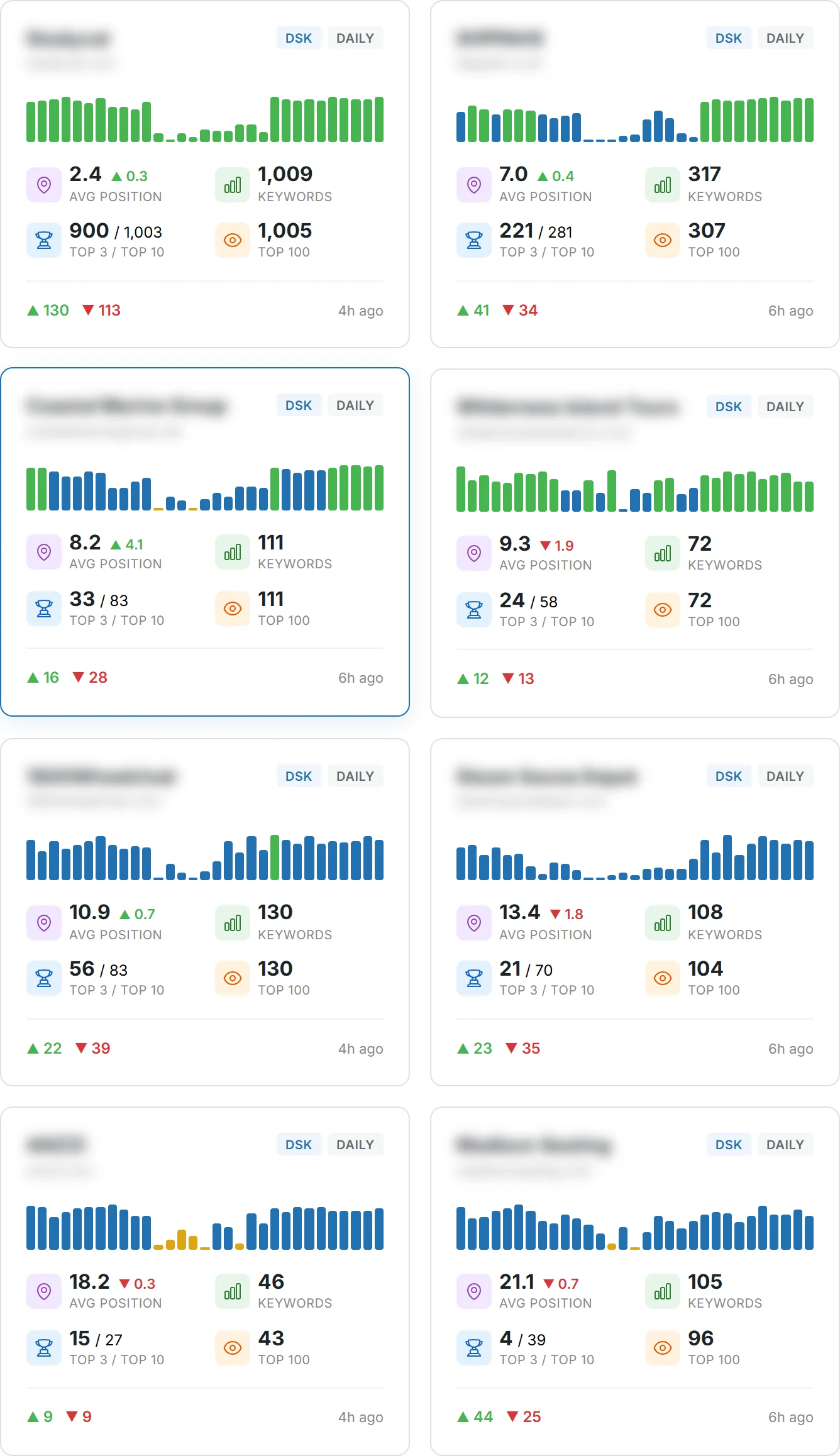
Use a monitoring tool to run weekly checks across 70+ variables and send notifications when your score shifts. Regular alerts catch regressions in indexation, robots, or Core Web Vitals before they cost visibility.
Track keyword positions and page changes to measure results over time
Track keywords and priority pages so you can correlate ranking lifts with deployments. AIOSEO’s keyword tracking and change logs make it easy to attribute wins to specific edits or releases.
Collaborate with your team using roles, saved reports, and dashboards
Enable roles and permissions to keep work controlled. Save reports and dashboards to centralize activity and reduce repeated questions. Set SLAs for critical alerts like sitemap failures so your product and features stay aligned with business goals.
“Document every change with a timestamped log — it lets you prove what helped achieve the results.”
- Automate recurring checkups to prevent regressions.
- Standardize a reporting list to keep stakeholders informed.
- Blend quantitative metrics with notes on SERP features and rich results.
Conclusion
A strong, clear roadmap turns audit findings into repeatable work that lifts your site’s visibility.
Focus on fundamentals: fix crawlability, tighten meta and heading clarity, deepen page content, and tidy internal links. These moves create steady gains in search presence.
Use your chosen tools to automate checks, store reports, and track key pages and conversions. Re-audit after major changes or core updates to protect progress.
Translate insights into short, assigned tasks so your team can act and measure impact. For guidance on building a long-term manager and workflow, see the path to your ideal search engine optimization.
FAQ
What is the goal of an SEO analysis and how will it improve your rankings?
The goal is to identify issues that block search engines and users from finding your site, then prioritize fixes that drive more organic traffic. You’ll measure technical performance, content quality, link health, and keyword targeting so your pages rank higher and attract the right customers.
How do you prepare your site and tech stack before running a full audit?
Start by granting access to Google Analytics and Google Search Console and verify your site ownership. Gather server and CMS credentials, add monitoring tools or WordPress add‑ons, and set benchmarks for traffic and conversions so you can compare results over time.
Which tools should you assemble for an effective audit?
Use a combination of site crawlers, rank trackers, backlink checkers, and page speed tools. Include monitoring platforms for uptime and security, plus content tools for readability and keyword research. This toolkit helps you spot issues across performance, links, and content.
How do you choose priority pages and define success metrics?
Pick pages that drive traffic, conversions, or brand visibility—like product pages and top blog posts. Define metrics such as organic visits, clicks, average position, conversions, and page speed. Those targets guide which fixes deliver the highest return.
What does an end-to-end site crawl and audit cover?
A thorough crawl checks 70–100+ data points including broken links, duplicate content, meta tags, redirects, and indexability. It uncovers issues across structure, on‑page elements, images, and server responses so you can act quickly.
What technical foundations should you check first?
Prioritize page speed, mobile usability, HTTPS configuration, server response times, and security headers. Fixing these improves user experience and helps search engines index and rank your site more effectively.
How do you handle indexing and sitemaps for faster discovery?
Ensure your XML sitemap is up to date, submit it to search consoles, and use robots.txt correctly. Consider video sitemaps for multimedia and use IndexNow or equivalent protocols where available to speed content discovery.
What are the key on-page elements to optimize?
Optimize page titles, meta descriptions, header tags, image alt text, and URL structure. Make sure content is relevant, readable, and aligns with target keywords while avoiding keyword stuffing or duplication.
How does structured data help your visibility?
Implement schema types like Article, Product, FAQ, and LocalBusiness to enable rich results. Structured data helps search engines display enhanced snippets that can increase click-through rates and brand trust.
What should you look for in internal linking and site structure?
Review navigation, breadcrumbs, and URL hygiene to ensure crawl depth is shallow and link equity flows to priority pages. Fix orphaned pages and improve anchor text to help users and engines find important content.
How do you evaluate your backlink profile?
Assess link quality, relevance, and growth over time. Identify toxic links for removal or disavow, and spot high-value opportunities where competitor links reveal outreach or content gaps you can exploit.
How should you assess content performance?
Measure readability, engagement metrics, keyword coverage, and freshness. Update underperforming pages with better research, images, and internal links to boost rankings and user satisfaction.
How do you benchmark against competitors to find opportunities?
Run side‑by‑side comparisons of keywords, top pages, and backlink sources. Look for content topics they rank for that you don’t, and identify link prospects you can target through outreach or better content.
How do you turn an audit into action with reporting and automation?
Create prioritized, client-ready reports that list fixes, owner assignments, and timelines. Automate weekly checks and alerts for critical metrics, and use saved reports and dashboards to track progress and outcomes.
What monitoring should you set up to measure results over time?
Track keyword positions, organic sessions, page-level changes, and conversion events. Set alerts for drops in traffic, indexability issues, or security incidents so you can respond quickly and protect rankings.
How can your team collaborate during the optimization process?
Use role-based access in reporting tools, assign tasks with deadlines, and maintain a shared dashboard. Regular standups and saved reports keep everyone aligned on priorities and progress.
How long does it take to see results after implementing fixes?
Some technical and speed fixes can show improvements within days, while content and backlink efforts usually take weeks to months. Track short‑term wins and set realistic timelines for sustained ranking growth.
Which additional tools and keywords should you consider for ongoing work?
Include rank trackers, site performance monitoring, link monitoring, content research tools, and competitor intelligence platforms. Focus on keywords like performance, pages, rankings, backlinks, and optimization to guide your roadmap.