Can a simple profile, a few reviews, and the right keywords really bring more customers to your door?
You rely on quick answers when you search, and so do your neighbors. Optimizing for location-based results helps your business appear in Google Search and the map pack where people make fast choices.
This introduction shows how a focused seo approach boosts your website and your Google Business profile. It explains how relevance, distance, and prominence affect map placements and how quality and usability shape organic results in search engines.
You’ll learn practical steps that tie to real outcomes like calls, visits, and sales. We cover citations, reviews, on-page keywords, and links — all parts of a strong seo strategy that helps your profile and site work together.
Key Takeaways
- Understand what local search does for your business and customers.
- See how Google Business and your website combine to drive visits.
- Learn key signals: relevance, distance, prominence, and usability.
- Find practical steps: citations, reviews, on-page keywords, and links.
- Know how to measure results and prioritize high-impact tasks.
Why Local SEO Matters Right Now
When someone needs a service fast, visibility in search often decides which business they call. You compete for moments of intent where people want immediate answers. Appearing in the map pack and in organic results turns searches into walks, calls, and purchases.
Understanding informational intent and how people search in your area
About 30% of mobile queries relate to location, and many of those are high intent phrases like “best pizza near me.” That means people expect to see clear services, hours, and contact info so they can act quickly.
Information matters by neighborhood: how people phrase requests changes by city and street. Aligning your pages and services to those terms lifts your relevance and can improve rankings.
Key stats that prove local search drives visits, calls, and sales
- 78% of nearby searches lead to a visit within a day.
- 28% of “nearby” queries end in a purchase.
- Appearances in the pack and map increase the chance customers will call or get directions.
Use a simple tool set from day one to track exposure, clicks, and calls. You can also read practical guides like best local tactics to prioritize actions that move the needle.
What Is Local SEO and How It Differs from Standard SEO
Think of this as two different battlegrounds for visibility: one where Google shows a map-based pack of nearby businesses, and another where traditional organic pages (the blue links) compete for broader queries.
Local vs. national intent: “near me” queries and city modifiers
When users add a city name or type “near me,” search intent shifts to immediate, actionable results. Google favors businesses that match the user’s location and needs.
National or informational queries aim for in-depth content and expertise. Those typically surface organic pages instead of map results.
The two arenas: map pack on Maps vs. organic “blue links”
Your Google Business Profile helps you appear in the map pack and on Maps. Complete profile details, categories, and recent reviews push prominence and proximity.
Your website and its pages win the blue links by using well-structured content, relevant keywords, fast pages, and good links. You need both to maximize total visibility.
“Optimizing your profile and your website together prevents competitors from owning the map and the page results.”
- Profile signals: address, hours, categories, reviews.
- Website signals: clear location pages, quality content, internal links.
How Local SEO Works: Relevance, Distance, and Prominence
To appear on Maps and in the pack, Google weighs how well your business matches a query, how close it is, and how trusted it looks. These three signals together determine when and where you show up in search results.
Signals Google uses for the local pack and Google Maps
Relevance is how closely your profile and pages match the searcher’s intent. Use clear categories and the right keywords on your profile and service pages.
Distance is proximity to the searcher or to the area they specified. You cannot change physical distance, but you can extend reach by adding accurate service areas and citations.
Prominence comes from reputation: reviews, links, citations, and brand mentions. Recent and consistent reviews boost prominence and can nudge your rankings above similar nearby businesses.
Organic ranking factors: quality, relevance, and usability
Your website influences blue-link results. Focus on helpful content, technical performance, and mobile usability so pages rank well alongside the pack.
“A complete, accurate Google Business Profile is a primary data source for Maps and the pack.”
| Signal | What to Improve | Expected Impact |
|---|---|---|
| Relevance | Categories, keywords in titles, service pages | Better match to queries; higher pack and organic visibility |
| Distance | Service areas, clear address, map embed | Shows for nearby searches; limits set by geography |
| Prominence | Reviews, citations, links, local mentions | Higher trust; improved rankings and click-throughs |
Where your Google Business Profile fits in
Your google business profile serves as the primary feed for Maps and the pack. Keep it complete, accurate, and updated so Google and customers trust your business data.
- Reinforce location signals across your site and citations.
- Monitor reviews and profile updates to track changes in rankings.
- Prioritize usability fixes on pages that drive calls and visits.
Local Keyword Research That Brings You Customers
Begin by listing the services you offer, then add the city names and urgent modifiers people use. This gives you practical seed phrases that mirror real searches and reveal high-intent queries to target.
Finding terms with modifiers and “near me” variants
Brainstorm service-led seeds and append neighborhood names, city modifiers, and urgency words like open now, emergency, or affordable.
Use Google Autocomplete and People Also Ask to expand long-tail ideas that show clear intent.
Use search volume and intent to prioritize opportunities
Validate ideas with Keyword Planner or any positions tool to check search volume and difficulty.
Prioritize terms that pair decent volume with strong commercial intent—these drive pages that convert.
Competitor-driven ideas with SERP scans and research tools
Scan the SERP for map pack entries, related searches, and competitors’ top pages. Run a Keyword Gap to find terms they rank for and you don’t.
Map each priority keyword set to a single page to avoid overlap and keep NAP and location signals clear in titles and H1s.
| Method | What to scan | Best tool |
|---|---|---|
| Autocomplete & PAA | Long-tail, question phrases | Google Autocomplete, SERP view |
| Volume & intent | Monthly searches, commercial intent | Google Keyword Planner |
| Competitor gap | Terms competitors rank for but you don’t | Positions / Keyword Gap |
| SERP scan | Map pack, related searches, quick wins | Manual SERP + rank tracker |
Iterate: track performance, expand into adjacent terms, and refine your page mapping based on results.
Optimize Your Google Business Profile for the Local Pack
Optimize your Google Business Profile so it clearly answers what you sell, where you serve, and how customers reach you.
Categories, services, products, and attributes that boost relevance
Select a precise primary category and complement it with relevant secondary categories. This widens the queries that can trigger the pack and map results.
Add services and products with short, clear descriptions. Use natural keywords in those entries so searchers and Google understand your offerings at a glance.
Keep NAP, hours, photos, and updates accurate
Standardize your name, address, and phone number across the profile and citations. Inaccurate NAP causes missed calls, unhappy customers, and poor trust.
Update hours and holiday times. Upload high-quality photos and short videos that show your location, staff, and work to build engagement.
Link the right page and post regularly
Link each profile to its most relevant location page, not just the homepage. Matching the profile to the correct page improves conversions and user trust.
Post offers, events, and updates often. Regular activity signals freshness and gives potential customers new reasons to choose your business.
- Respond to reviews promptly to build prominence and encourage more feedback.
- Add attributes (Wi‑Fi, accessibility) to help searchers filter and find you.
- Adopt a simple tool-assisted cadence for updates and reviews to keep the profile active.
| Element | Action | Impact |
|---|---|---|
| Categories | Set precise primary + relevant secondary | Wider pack triggers; better match to queries |
| Services & Products | Add descriptions with natural keywords | Higher relevance; clearer customer expectations |
| NAP & Hours | Standardize details and update holidays | Fewer customer errors; better trust and calls |
| Photos & Posts | Upload quality media and post regularly | Increased engagement and map visibility |
| Linking | Point to the correct location page | Improved conversions and user experience |
Build and Manage NAP Citations Across Business Directories
When your name, address, and phone match everywhere, search engines and people trust your business more.
Start by auditing every mention of your NAP. Look for spelling differences, suite numbers, and old phone formats. Exact matches help verify your business to Google Business and other platforms.
- Audit first: find and record every citation, then correct mismatches that show the wrong phone number or address.
- Prioritize: claim or fix listings on Apple Maps, Yelp, Bing Places, and Facebook before moving to niche directories.
- Use aggregators: Data Axle, Localeze, and Foursquare push accurate data at scale and reduce duplicates.
- Add rich details: categories, photos, and a short description to improve conversions and map visibility.
- Capture a link: include your website link where possible to aid discovery and referral traffic.
Maintain a schedule to re-check listings and document logins so updates are fast when your location or contact changes. Consistent nap citations help people find local providers and keep your profile trustworthy across the web.
Reviews Strategy: Earn, Manage, and Respond to Win Trust
A steady stream of honest feedback lifts trust, improves visibility, and drives more people to act.
Search systems favor businesses with frequent, detailed reviews. Fresh praise signals current excellence and can nudge your position in the pack and on the map.
Smart prompts, direct review links, and timely responses
Make it effortless: email or text customers a direct Google review link right after a positive interaction. Time requests while the experience is fresh and include a short, polite prompt to mention the service and location.
Turning negative feedback into a reputation advantage
Reply to every review. Thank satisfied customers and answer concerns professionally. Use complaints to fix processes, then follow up publicly to show accountability.
“Consistent, honest reviews build trust and help your profile perform better.”
- Don’t offer incentives or gate feedback—stay compliant with Google Business rules.
- Train staff to ask for specific, authentic feedback and use light reminders like cards or QR codes.
- Track review growth and tie changes to rankings and clicks so you can measure impact.
On-Page and Technical Local SEO on Your Website
Your website must use clear, location‑aware titles and headers so search engines and visitors instantly know where you serve.
Titles, meta descriptions, and headers
Align title tags, meta descriptions, and H1s with natural, location‑modified keywords that mirror how customers search.
Keep tags concise, add one clear local keyword, and use the page’s primary phrase in the H1 to improve relevance and click rates.
Unique location pages and content quality
Create a unique page for every service area you genuinely serve. Avoid thin duplicates by tailoring each page with distinct content, photos, and trust signals.
Include business hours, a phone number, and a short, helpful description of services so users convert faster.
Structured data and validation
Add LocalBusiness schema with name, address, phone number, hours, geo coordinates, and logo. Validate with Google’s Rich Results Test to catch errors.
Structured data clarifies your business details to search engines and can improve how your pages display in results.
Embedding a map and internal linking
Embed a Google map on your contact or location page to reinforce where you are and to make directions easy.
Strengthen site architecture with internal links from service pages to location pages so crawlers and users find the right page quickly.
Performance, trust, and conversion
Optimize Core Web Vitals and mobile UX so pages load fast. Add reviews, badges, and photos to build trust on service and location pages.
Use clear CTAs—call, directions, or booking—to turn visits into leads. Maintain consistent NAP in the footer and on contact pages, and measure page‑level performance to iterate.
Local Link Building That Moves the Needle
Focus your outreach where your customers read, gather, and interact. Target publishers, community calendars, and event pages that serve your city and audience. Those links add authority and send qualified visitors to your website.
Identify partners and publishers: sponsor a neighborhood event, offer a scholarship, or host a meetup. Pitch timely stories to local newsrooms and resource pages that naturally cite and link to your pages.
Reclaim mentions and fix broken links
Scan for unlinked brand mentions and ask for a link. Find broken links on local resource pages and suggest your content as a replacement. These tactics win links with low friction.
Learn from competitors and measure impact
Review competitors’ backlink profiles to spot target sites and patterns. Tag acquired links by city or initiative and track referral traffic and rankings over time.
“Hyper-relevant links from trusted community sites move the needle for both visibility and conversions.”
- Pair link outreach with citations to broaden discovery.
- Prioritize pages that are link-worthy and include clear CTAs.
Tools and Tracking: Measure Results and Refine Your Local SEO Strategy
If you can’t measure it, you can’t improve it. Start with tools that track both map and organic placements by ZIP or city so you know where your business shows and where it doesn’t.
Monitor rankings and map performance
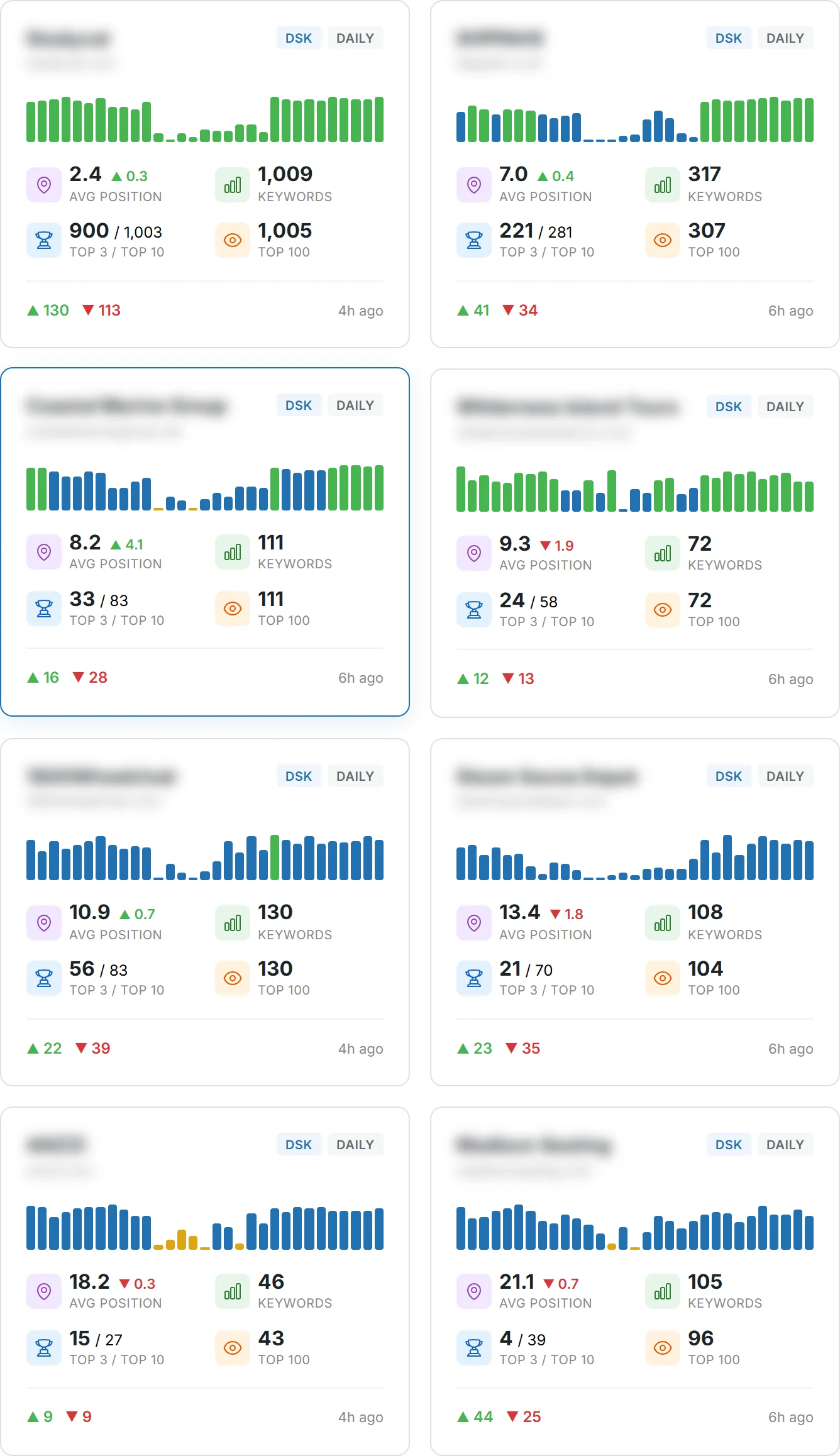
Use a grid-based rank tracker to visualize map positions across neighborhoods. Review heatmaps weekly to see where you win and where you lose visibility.
Mine Google Search Console for growth
Check queries, CTR, and pages with drop-offs. Prioritize pages with decent impressions but low CTR and update titles or meta to better match intent.
Benchmark competitors and SERP features
Track who appears in the pack and which keywords trigger features. Watch competitors’ moves and adapt content, links, or your google business profile to close gaps.
“Connect ranking changes to calls, directions, and bookings so your tracking drives real customer growth.”
| Focus | Tool / Method | Action | Outcome |
|---|---|---|---|
| Map positions | Grid rank tracker | Visualize by neighborhood | Targeted on-the-ground fixes |
| Search queries | Google Search Console | Find pages with CTR gaps | Higher clicks and traffic |
| Competitors | Rank & link analysis | Benchmark and adapt | Recover missing pack visibility |
| Data hygiene | Periodic NAP audits | Fix listings and citations | Consistent results and trust |
Tip: Keep a clean tagging system to attribute wins to content updates, links, or review growth. For a practical campaign roadmap, see what to expect from a campaign.
Advanced Tactics: AI Overviews, Multi-Location SEO, and Ongoing Optimization
When AI creates overviews for nearby queries, clear service descriptions and fresh reviews help it choose your business.
Optimizing your google business profile, services, and reviews for AI summaries
Write concise, factual descriptions that state your products services and main offerings plainly. AI systems favor clarity, so use customer-friendly language that an automated summary can quote.
Encourage reviews that mention specific services and locations. Rich, recent feedback makes your profile and reviews more likely to be surfaced in synthesized answers.
Scaling consistent NAP and location pages across multiple markets
Standardize your NAP and citation data so each location signals the same facts to search systems and customers.
Create unique location pages for every market. Keep structure consistent, but avoid boilerplate copy—add local details, photos, and trust elements for each page.
Passive systems that compound reviews, rankings, and results over time
Implement low‑friction prompts—QR codes in-store and automated email or SMS follow-ups—to build steady review velocity. These passive systems grow reputation without heavy manual effort.
Monitor AI summaries for priority queries and tweak descriptions, services, and images to maintain inclusion. Schedule quarterly audits and compare each location to competitors so you repeat what works.
“A centralized playbook and automated prompts let you scale quality across locations while protecting hard‑won rankings.”
- Optimize profile text and products services so AI can cite them.
- Standardize NAP and citations to avoid conflicting signals.
- Use passive review systems to increase review frequency and freshness.
Conclusion
Follow a focused plan and your business will show up where people look first and act fast. ,
Combine a complete Google Business Profile, consistent NAP citations, steady review requests, and clear location pages to build fast trust and visible results. Use a simple tool to track calls, directions, and conversions so you know what works.
Invest in link outreach and partnerships that reinforce your services and location. Keep small, repeatable workflows for reviews, profile updates, and page improvements so gains compound over time.
Align your team on clean data and revisit the plan quarterly. With these steps you’ll turn practical best practices into steady customer growth and stronger map and local pack presence for your business.
FAQ
What is the difference between local search and national search?
You focus on queries with geographic intent, like city names or “near me” phrases. Results prioritize proximity, relevance, and prominence on Maps and the local pack, while national results rank more on broad authority and content depth.
How does your Google Business Profile affect search visibility?
Your Business Profile feeds Google key details—name, address, phone, hours, categories, services, and photos. Accurate, complete information and frequent posts help Google understand your offerings and improve chances of appearing in the map pack and knowledge panels.
What are the main signals Google uses for the local pack?
Google weighs relevance (how well your listing matches a query), distance from searcher, and prominence from reviews, citations, website authority, and links. NAP consistency, review quantity and quality, and category choices all matter.
How should you pick location keywords that drive customers?
Target service + place phrases, “near me” variants, and intent-based terms people use when ready to act. Use search volume and competitor analysis to prioritize opportunities and create pages or GBP content around the strongest queries.
What is the easiest way to keep NAP citations consistent?
Start with a single canonical format for your name, address, and phone. Update major directories—Apple Maps, Bing Places, Yelp, Facebook—and use citation management tools or a spreadsheet to track source, status, and last verification date.
How do reviews impact your local rankings and conversions?
Reviews influence both rankings and user trust. Quantity, recent activity, and star ratings affect visibility in the pack, while detailed responses and timely replies improve click-through and conversion rates.
What should you include on a location page to rank well?
Use a clear address and phone, unique content about services for that area, location-specific keywords in headings and meta tags, a Google Map embed, structured LocalBusiness schema, and strong internal links to related service pages.
How can you get local links that help your profile and pages?
Build relationships with local publishers, sponsor events, create community resources, reclaim unlinked mentions, and fix broken links. Target relevant regional sites and industry directories for higher impact.
Which tracking tools will show search performance and opportunities?
Google Search Console reveals queries and pages with impressions. Google Business Profile insights show calls, direction requests, and views. Add rank-tracking tools and competitor SERP analysis to monitor pack placement and keyword movement.
How do you scale accuracy and visibility for multiple locations?
Use consistent NAP templates, unique location pages for each market, centralized review-generation systems, and category/service standardization across Profiles. Automate routine updates while auditing listings regularly to avoid duplicate or mismatched entries.
Can you use structured data to help Google understand your services?
Yes. Implement LocalBusiness schema with address, phone, opening hours, and service offerings. Validate markup with testing tools and ensure it matches your public GBP information so search engines read consistent signals.