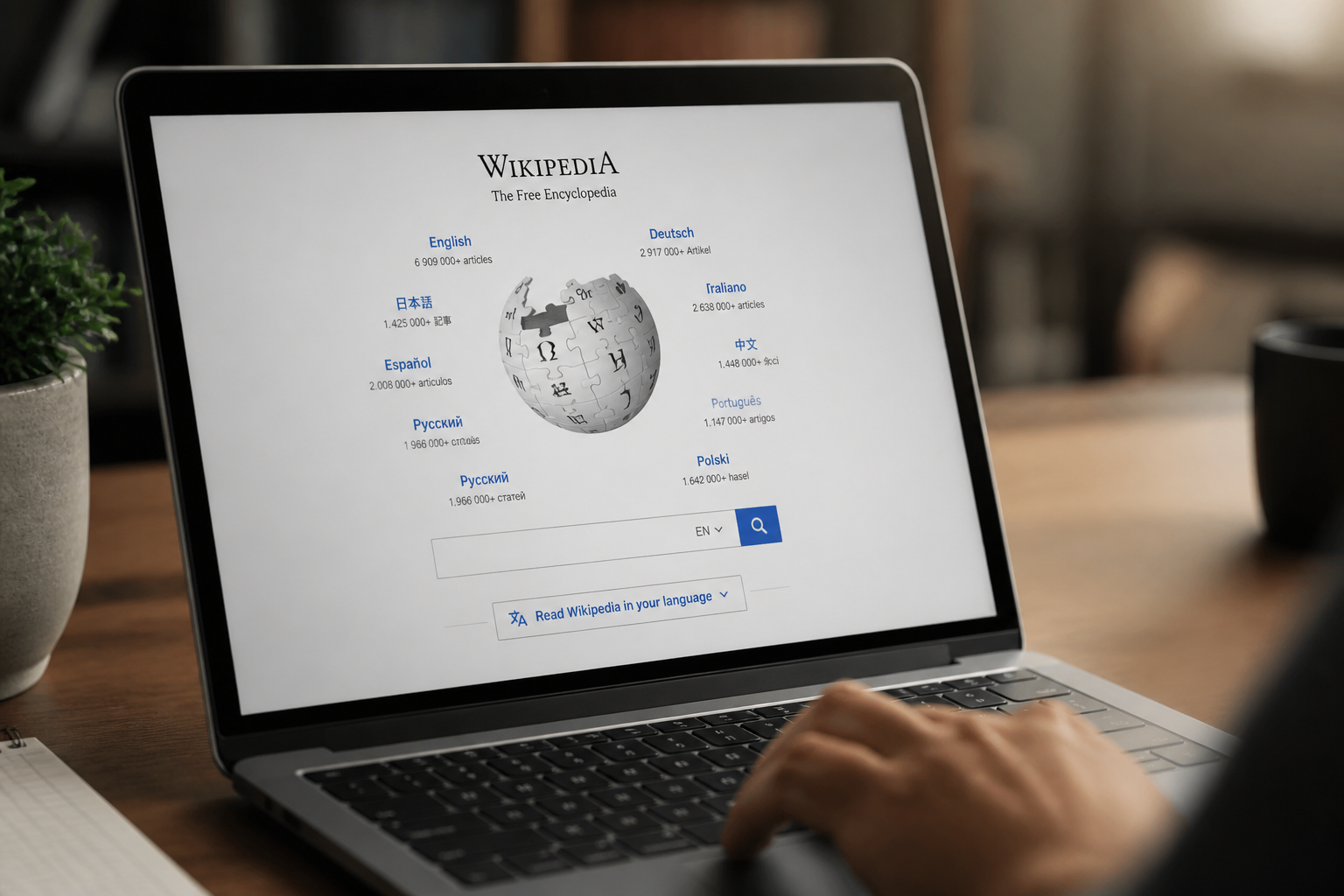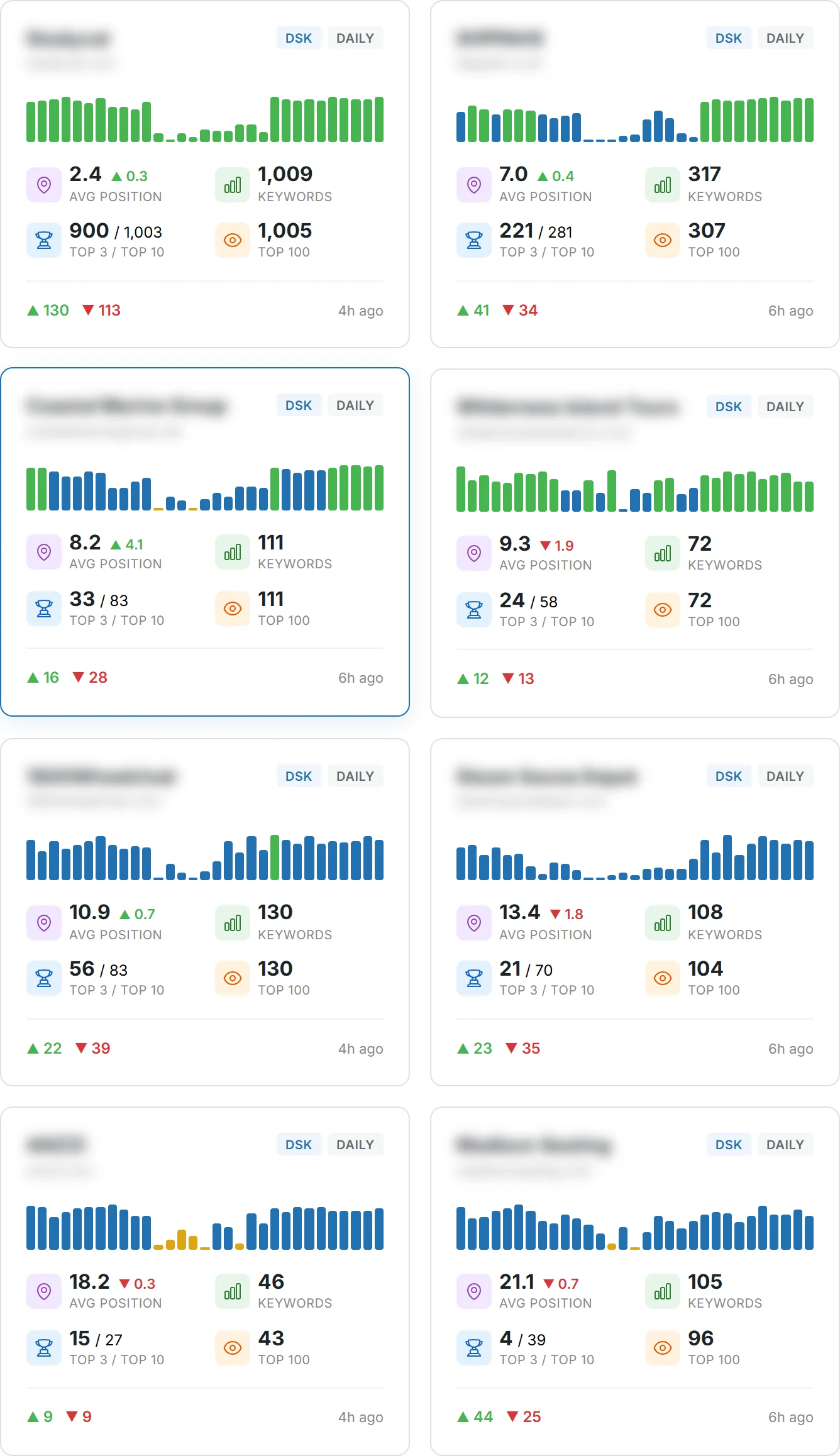
Surprising fact: more than 80% of Americans start their buyer journey with a web search, so your site can win a huge slice of that attention.
You want your business to show up when people search for what you sell. A clear plan that blends strong content with technical optimization helps you reach the right audience in the United States.
Understanding how search engines crawl and index pages is the first step toward steady visibility. When your pages load fast and answer real questions, users stick around and results improve.
Profit Labs notes that a thoughtful marketing plan is essential to dominate search results. Use the right data and tools to refine your site, track rankings, and boost organic traffic over time.
Key Takeaways
- U.S. search behavior offers a large, targeted audience for your business.
- Focus on high-quality content and technical site performance first.
- Learn how search engines crawl pages to build long-term visibility.
- Use data and tools to refine strategies and outrank competitors.
- Consistent effort yields better rankings and more organic traffic.
Understanding the Power of SEO Marketing
Every day, billions of searches create chances for your brand to be discovered. Google alone handles over 8.5 billion queries daily, so getting your pages seen matters.
Organic search delivers long-term value: for every dollar you invest, businesses often earn more than $22 in return. That makes optimization one of the most cost-effective ways to grow traffic and leads.
Mobile use is rising fast. Mobile optimization is on track to expand at about a 10% CAGR through 2030. A site that loads quickly and fits small screens keeps users on your pages.
Search engines rely on complex algorithms to rank content. Experts study those signals and recommend focusing on intent, relevance, and quality rather than tricks.
- Focus on users: create useful answers, not repetitive text.
- Use data: track which keywords and pages drive people to your website.
- Balance efforts: organic presence builds trust, while paid ads can support short-term visibility.
How Search Engines Discover Your Content
Crawlers and indexers are the gatekeepers that let your pages enter search results. These automated programs, often called spiders, follow links and read pages so engines can find fresh content.
Crawling and Indexing
When a crawler visits your site it collects text, links, and code. The crawler needs access to CSS and JavaScript so the page looks the same as it does to users.
After crawling, the page is added to a massive index. That index stores content and metadata so the engine can compare pages when people search.
- Speed up discovery: submit a sitemap and keep a clean internal link structure.
- Check indexing: use the site: operator (for example, site:wikipedia.org) to see if pages appear.
The Role of Algorithms
Algorithms analyze content, keywords, structure, and user signals to create rankings. Modern systems also use language matching, so exact keyword repeats are not required to match queries.
Remember: the three-step flow — crawling, indexing, ranking — is the foundation for improving site visibility and driving more traffic to your pages.
| Stage | What Happens | Action You Can Take | Result |
|---|---|---|---|
| Crawling | Bots scan links, HTML, CSS, and JavaScript | Ensure robots.txt and loadable resources | Faster discovery of new pages |
| Indexing | Content and metadata stored in a database | Submit sitemap and use clear titles | Pages become eligible for results |
| Ranking | Algorithms evaluate relevance and quality | Improve content, speed, and user experience | Higher visibility and more organic traffic |
Why Your Business Needs a Strong Search Presence
A visible presence in search results turns casual browsers into paying customers. Nearly 39% of global eCommerce traffic comes from search, so being found matters for revenue.
If your site doesn’t rank, competitors capture people who are ready to buy. Studies show 69% of clicks go to the top five results, so higher rankings mean more traffic and better conversions.
- More traffic: top placement drives consistent visits over time.
- Better conversions: organic discovery often converts better than ads.
- Brand trust: appearing in results builds credibility with your audience.
Use clear content, smart keyword choices, and technical optimization to reach the right users. Small businesses and large brands both win when they invest in strong search presence.
The Three Pillars of Modern Search Optimization
To rank today, you need three core systems working together: what’s on the page, how the web talks about you, and how your site performs behind the scenes.
On-page focuses on clear, helpful content and tidy structure so search engines can read and rank your pages. Good titles, descriptive text, and logical layout make it easier for users to find answers.
Off-page builds credibility through backlinks, brand mentions, and social media engagement. Authority from other sites helps your website win trust and drive quality traffic.
Technical covers site architecture, navigation, and loading speed. Fast pages and crawlable code let engines index your site quickly and boost user experience.
Balance matters: neglecting one pillar can block gains from the others. Use data to spot weak spots, fix crawl issues, and align content with user intent.
Mastering On-Page SEO for Better Rankings
On-page work is where you control the most immediate gains for your site. Tidy structure, clear headings, and useful text make it easier for search engines and users to find answers.
Keyword Research Techniques
Start by matching intent: figure out whether people want information, a product, or a place. Use keyword research tools and user queries to pick phrases that fit those needs.
- Prioritize relevance: pick keywords that match user questions.
- Balance volume and difficulty: target accessible terms for your site.
Optimizing Title Tags and Meta Descriptions
Keep title tags under 60 characters and meta descriptions near 160 characters. That helps results display cleanly and improves click-through rates.
“Clear titles and helpful descriptions drive more clicks and better engagement.”
Tip: include one main keyword in the title and a natural secondary phrase in the meta text.
Using Descriptive URLs
Create short, descriptive URLs that include your primary keyword and show page hierarchy. Use hyphens, avoid stop words, and keep them readable by humans.
Also add meaningful alt text to images so engines understand visuals and users with assistive tech get context.
Technical Foundations for Website Performance
Good technical work keeps your site fast, secure, and easy for search engines to crawl. These basics shape how users and engines view your pages.
Improving Page Loading Speed
Mobile devices drive about 58% of searches, so responsive design is a must. Slow pages raise bounce rates and hurt rankings.
Quick wins include compressing images, enabling browser caching, and using a Content Delivery Network (CDN). These steps cut load time and lift user experience.
Use HTTPS with an SSL certificate to build trust. Submit an XML sitemap to Search Console so search engine crawlers find your important pages faster.
“Fast-loading pages improve user satisfaction and lower bounce, which helps your site compete in search results.”
| Fix | What it does | Effect on users | Impact on rankings |
|---|---|---|---|
| Image compression | Reduces file size | Faster page load | Lower bounce, better ranking |
| Browser caching | Stores assets locally | Faster repeat visits | Improved performance signals |
| CDN | Serves content globally | Consistent speed | Better visibility in search |
| SSL + Sitemap | Secures site and aids discovery | Builds trust | Easier indexing, stable rankings |
- Check for technical issues regularly—slow load times or vulnerabilities cost traffic and trust.
- Test on mobile and desktop to ensure all users get fast access to your content.
Building Authority Through Off-Page Strategies
Off-page work builds the digital reputation that convinces other sites to vouch for your pages. Those endorsements tell a search engine your content is useful. Over time, strong backlinks help your site compete for better rankings.
Focus on quality: a single link from an authoritative website often beats dozens of low-quality mentions. Aim for placements that reach real people and add value to their experience.
Effective Link Building Tactics
Earn links with guest blogging, expert roundups, and targeted digital PR that solve problems for the linking site’s audience. Use brand monitoring to find unlinked mentions and politely request a backlink.
Engage in niche communities like Reddit or Quora to build visibility. When you publish research or ultimate guides, other sites are more likely to reference and link to your content.
The Importance of Social Signals
Social media engagement won’t directly change your ranking, but it drives traffic and awareness. Increased visits can lead to natural links and broader reach across the web.
“Backlinks act as endorsements; treat each outreach like an opportunity to help real users, not just another link.”
- Do this: prioritize reputable sites and relevant audiences.
- Track this: monitor domain authority and backlink growth over time.
- Expect this: steady, useful outreach wins more in the long run than one-off spammy tactics.
Crafting Content That Resonates with Your Audience
When you answer real questions, your pages become the place users choose.
Create clear, helpful content that solves a problem. Keep sentences short and break ideas into small sections so readers scan easily.
Unique insight based on your experience beats copied text every time. Long-form pieces work well for competitive topics when they add practical value and full answers.
Use images, charts, or videos to support your points. Media helps users and gives engines context about the page.
- Organize: headings, short paragraphs, and lists make pages easy to digest.
- Link internally: point readers to related pages to deepen engagement and clarify site structure.
- Include CTAs: invite readers to subscribe, request a demo, or buy—make the next step obvious.
“Content that helps real people wins attention and drives lasting traffic.”
Finally, refresh older posts regularly so your pages stay accurate and useful. For guidance on creating lasting pages, see how to create content that ranks.
Leveraging Data to Refine Your Strategy
Data turns guesswork into clear steps that improve how people find your pages. Use tools to watch what works and where your site needs fixes.
Google Search Console is vital for monitoring your website’s performance. It shows which search terms bring users, highlights crawl errors, and reveals which pages appear in results.
Use keyword research tools like Semrush, Ahrefs, or Moz to spot competitor strengths and new opportunities. Combine that with intent analysis so your content matches what people actually want.
Quick, practical steps
- Right-click a competitor and choose “View Page Source” to inspect meta tags and on-page structure.
- Install MozBar or Keyword Surfer to check keyword metrics while browsing results.
- Track organic traffic and conversions to measure the impact of each change.
“Let data guide you: focus on what brings clicks and conversions, then scale what works.”
Common SEO Misconceptions to Avoid
Many myths about search best practices lead businesses to waste time and miss real gains.
Don’t chase secret formulas. There is no single trick that guarantees top results. Consistent work on quality content and site health wins over shortcuts.
The keywords meta tag no longer moves the needle for search engines like Google. Spend effort on useful page titles, clear text, and readable URLs instead.
Avoid manipulative tactics such as invisible text or spammy backlinks. Modern algorithms penalize those moves and can drop your pages in results.
Ads and oversized interstitials frustrate users. If people can’t reach content easily, your site loses trust and traffic declines.
- Expect iteration: small changes may not show instant lifts.
- Focus on the user: helpful pages attract steady visitors and natural links.
- Prioritize lasting improvements over chasing every trend in digital marketing.
“Not every tweak yields a visible impact; test, measure, and refine over time.”
| Misconception | Reality | Action | Impact |
|---|---|---|---|
| Keywords meta tag is essential | Ignored by major engines | Use clear titles and on-page content | Better visibility and clicks |
| Quick hacks rank pages fast | Short-term gains risk penalties | Invest in content, UX, and technical fixes | Stable traffic growth |
| More ads equals more conversions | Interstitials can harm user experience | Keep pages accessible and uncluttered | Lower bounce, higher trust |
How Profit Labs Elevates Your Brand
Profit Labs helps you close gaps competitors leave open and win attention from real users.
They combine data and hands-on work to build a clear plan for your business. That plan uses advanced tools, deep keyword research, and competitor analysis to find where you can move faster.
Profit Labs optimizes your site for both engines and people. They tighten technical issues, publish steady content, and earn relevant backlinks that strengthen your domain over time.
The team tracks performance so you see real results. You keep focusing on your core operations while experts run tests, fix pages, and scale what works.
“With Profit Labs, you get tailored strategies that turn search data into long-term traffic and stronger conversions.”
- Targeted keyword research to find opportunities
- Competitive analysis to differentiate your offerings
- Ongoing content and technical work to boost visibility
Measuring the Impact of Your Marketing Efforts
Trackable signals tell you which pages attract real customers and which need work.
Start with three core metrics: organic traffic, keyword rankings, and conversions. These show whether your site draws people, how it ranks in search, and if visitors take action.
Improving organic search can cut customer acquisition costs by about 87%, per Terakeet. That makes tracking vital for your business.
Also watch where clicks land: 69% go to the top five results, and pages on the second page see a sharp decline in clicks. Use that insight to prioritize pages that can move up.
Combine performance data with audience signals to learn what terms people use and why they visit. Those insights help you refine content, ads, and social media so your efforts work together.
Review metrics regularly: weekly checks for quick wins, monthly reports for trends, and quarterly strategy updates based on the data.
“Let data guide investment: track traffic, ranking, and conversions to prove value over time.”
- Track organic visits and top-performing pages.
- Monitor keyword shifts and user intent.
- Measure conversions to link traffic with revenue.
Conclusion
Conclusion
Small, consistent improvements to content and technical setup add up to measurable gains. Mastering search engine optimization means you keep refining page content, links, and speed so your site serves real visitors.
By following the steps here you can lift your site’s visibility and attract more organic traffic. Expect gradual progress; top search results rarely appear overnight.
Use data to guide change and tune engine optimization choices for better results. Stay focused on the user’s needs and make each page useful.
Final note: consistent work on content, technical health, and thoughtful marketing yields steady results that help you connect with customers and grow your business.
FAQ
What is the difference between crawling and indexing?
Crawling is how search engines like Google discover pages on your site by following links and sitemaps. Indexing is the process of storing and organizing that discovered content so it can appear in search results. You want clean site structure, descriptive URLs, and a sitemap to help both steps work smoothly.
How do algorithms affect your search rankings?
Algorithms evaluate relevance and quality to decide which pages show for a query. They consider content, user experience, page speed, links, and more. Focus on helpful content, good site performance, and trustworthy backlinks to align with algorithm goals.
What are the three pillars of modern search optimization?
The three pillars are technical foundations (fast pages and crawlability), on-page content (useful text, meta tags, keyword research), and off-page authority (links and social signals). Balancing all three improves visibility and user experience.
How do you pick the right keywords without stuffing them?
Start with audience research and tools like Google Search Console to find real queries. Prioritize intent over volume, use long-tail phrases naturally, and limit repetition to keep readability high. That helps your content rank without keyword stuffing.
What makes a good title tag and meta description?
A good title tag is concise, includes a primary phrase, and reflects the page topic. Meta descriptions summarize the page benefit and encourage clicks. Both should be user-focused, unique per page, and fit display limits so they don’t get truncated.
Why are descriptive URLs important?
Descriptive URLs help users and search engines understand page content at a glance. Use short, readable paths with relevant words rather than long query strings. That improves click-through rates and makes sharing easier across social media and other channels.
How can you improve page loading speed?
Reduce image sizes, enable browser caching, minify CSS and JavaScript, and use a content delivery network (CDN). Monitoring tools can pinpoint slow elements so you can fix them and boost both user experience and rankings.
What link building tactics still work today?
Create shareable resources, earn mentions through outreach, guest post on reputable sites, and build relationships with industry publishers. Quality beats quantity — aim for links from relevant, authoritative domains to build trust and traffic.
Do social signals matter for search visibility?
Social engagement doesn’t directly boost rankings the way links do, but it drives traffic, brand awareness, and content distribution. Those outcomes can lead to more links and searches for your brand, which supports long-term visibility.
How do you craft content that truly resonates?
Know your audience’s questions and pain points, use clear headings, mix text with helpful media, and offer actionable solutions. Test formats and track engagement metrics to refine topics and tone for better results.
What insights can Google Search Console provide?
Search Console shows queries that bring impressions and clicks, indexing status, mobile usability issues, and crawl errors. Use it to find high-potential keywords, fix broken pages, and monitor how search engines view your site.
What common misconceptions should you avoid?
Avoid thinking short-term tricks will deliver lasting results, assuming rankings guarantee conversions, or chasing keywords without user intent. Focus on consistent quality, technical health, and audience alignment for steady growth.
How do you measure the impact of your efforts?
Track organic traffic, keyword positions, conversion rates, and user behavior metrics like time on page and bounce rate. Combine analytics with search console data to understand what drives visits and business outcomes.
How can a digital agency like Profit Labs help your brand?
An agency can audit technical issues, build a content plan based on keyword and audience research, acquire quality links, and report on performance. They reduce the learning curve and free you to focus on running your business while improving search visibility and traffic.