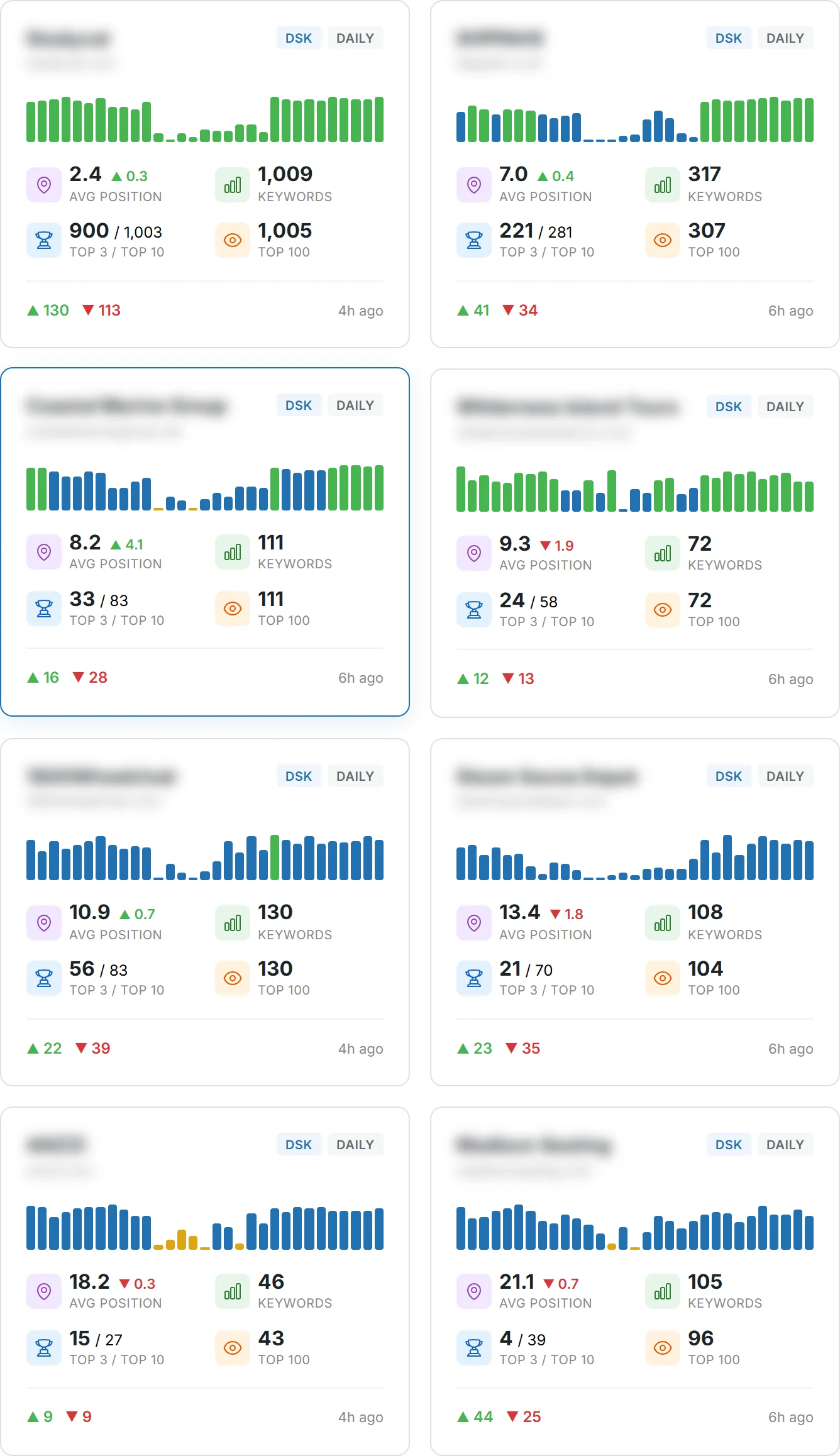
In the bustling world of digital marketing, mastering SEO is akin to finding a compass in the wilderness. It points your content in the right direction, right into the eyes of eager searchers. Central to this endeavor is the art of keyword research, particularly through a tool as powerful as Google Keyword Planner. Whether you’re crafting your first campaign or refining your techniques, understanding how to effectively use this tool can significantly boost your online visibility and sales.
1. Understanding Google Keyword Planner
What is Google Keyword Planner?
For those new to this game, Google Keyword Planner isn’t just any tool; it’s your secret weapon in the complex world of keyword internet marketing. Originally designed for AdWords campaigns, its utility spans much wider, helping marketers dissect the nuances of keyword metrics and refine their SEO strategies.
2. Setting Up Google Keyword Planner
Getting started with Google Keyword Planner is straightforward. If you’ve ever felt lost in the labyrinth of SEO tools, you’ll find the simplicity of setting up this tool a breath of fresh air. Here’s a step-by-step guide to getting you up and running:
- Log into Your Google Ads Account: You’ll need a Google Ads account to access the Keyword Planner. If you don’t have one, creating an account is free and only requires a Google account.
- Navigate to “Tools and Settings”: Once logged in, find the wrench icon in the upper right corner of your dashboard. This is your gateway to a variety of tools and settings.
- Select “Keyword Planner” under “Planning”: Clicking this will take you directly to the Keyword Planner tool where the magic begins.
- Start with ‘Discover New Keywords’: This is where you input keywords related to your business to see variations and related keyword suggestions, which will be instrumental in shaping your SEO strategy.
- Use ‘Get search volume and forecasts’ for your keywords: If you already have a list of keywords, this option will help you understand their keyword search volume and future potential performance.
- Review the Metrics: Google Keyword Planner will provide detailed insights such as average monthly searches, competition level, and top-of-page bid range. These metrics are crucial for assessing keyword difficulty and deciding which keywords can yield the best ROI.
- Download Keyword Ideas: Once you have gathered your data, you can download the keyword ideas to an Excel spreadsheet or Google Sheets for further analysis. This makes it easier to sort and prioritize keywords based on your SEO needs.
Utilizing Google Keyword Planner effectively allows you to delve deep into the world of SEO keyword research, unveiling opportunities to capture more targeted traffic. By carefully selecting the right keywords—balancing between long-tail and short-tail, understanding the search intent, and considering competition and volume—you set the stage for a successful SEO campaign that aligns perfectly with your business objectives.
3. Exploring Features of Google Keyword Planner
Keyword Search Volume and Difficulty
Understanding the ‘search volume’ and ‘competition’ or ‘keyword difficulty’ can help predict how hard it would be to rank for specific keywords. For instance, high-volume keywords often have high competition, making them challenging yet rewarding targets.
The Power of Keyword Types
The debate between long tail and short tail keywords is ever-present. Long tail keywords, with their specific nature, tend to draw in more qualified leads, which is a major benefit for any business aiming for relevance and conversion.
4. Using Google Keyword Planner for SEO Keyword Research
Here, let’s dive deep:
- Generate Keyword Ideas: Start by inputting a generic keyword, and let the Planner suggest variations. These can give insights into niche markets and customer search habits.
- Filters for Precision: Use geographic and language filters to tailor your search data to your target audience.
Decoding Search Intent
Understanding the ‘why’ behind searches—known as ‘search intent‘—is crucial. It tells you whether a searcher wants to buy, learn, or find a specific page online. This knowledge allows you to craft content that directly answers their queries.
5. Developing a Comprehensive SEO Strategy
Here’s how you can integrate insights from the Keyword Planner:
- Balance Keyword Types: Mix high and low competition keywords to balance risk and potential reward.
- Adapt and Refine: SEO isn’t a set-it-and-forget-it deal. It needs constant tweaking and adaptation based on keyword performance and search trend shifts.
6. Practical Tips and Strategies
- Keyword Performance Tracking: Keep an eye on how your chosen keywords perform over time. This will help you pivot as needed and keep your content fresh and relevant.
- Anticipate Trends: Use the historical data from the Keyword Planner to spot upcoming trends and prepare your content in advance.
7. Maximizing the Impact of Keyword Research
Broaden Your Digital Marketing Scope
Leverage your keyword research beyond SEO. Think about content marketing, PPC campaigns, and social media marketing. All these channels thrive on robust keyword strategies.
Conclusion
Google Keyword Planner is more than just a tool; it’s a gateway to enhancing your online strategy. By understanding and utilizing its full potential, you can significantly improve your visibility and engagement.
Why wait? Dive into Google Keyword Planner today and start refining your SEO strategy to meet the demands of your target audience. Unsure where to begin? Consider reaching out for a personalized consultation.
About Our Company
Profit Labs is your go-to resource for deepening your understanding of SEO and digital marketing strategies. With a plethora of resources, including detailed guides on SEO strategy, keyword research, and more, we equip you with the tools you need to succeed. Check us out at Profit Labs and start your journey toward SEO excellence today!