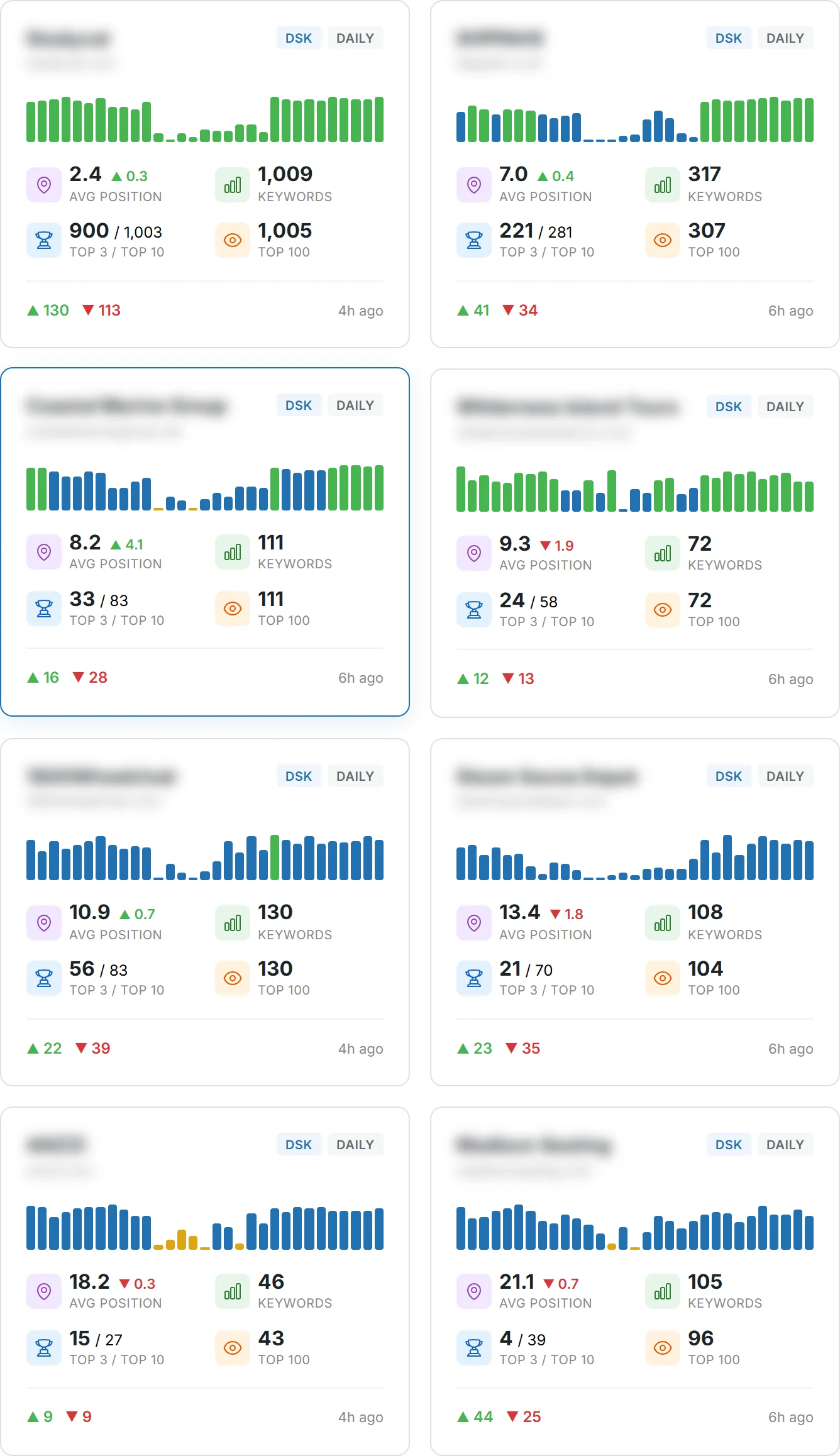
What You'll Need Before You Buy Backlinks Cheap
Nothing fancy here — but skip these and you're buying blind.
An Ahrefs or similar metrics tool (even the free trial or a third-party ahref checker works) to verify domain rating and real traffic before you pay anyone
A list of target pages and keywords you actually want to rank — don't buy links first and figure out placement later
A budget range, not a single number. Cheap backlinks span $5 to $150+ depending on tier, so know your ceiling per link
A spreadsheet or simple tracker to log every purchase: site URL, price, anchor text, date ordered, date indexed
Google Search Console access to confirm indexing and watch for ranking shifts after links go live
A working knowledge of anchor text ratios — mostly branded and naked URL anchors, exact-match kept under 5-10%
Patience — realistically 30-60 days to judge whether a batch of links moved anything
A separate list of your Tier 1 assets if you plan to layer Tier 2 volume links on top later
Time required: about an hour to vet and order your first batch, then 5-10 minutes a week checking indexing and reviews as reports come in.
Somewhere online right now, someone's buying 200 backlinks for less than the cost of a decent dinner — and half those links will do absolutely nothing for their rankings. The other half might actually work. That's the honest split most people never hear about before they hand over their card details.
Here's what twelve years of building links has taught anyone paying attention: you can buy backlinks cheap — still get real, checkable domain authority metrics. It just requires knowing what you're looking at before you click purchase. Most beginners assume cheap means fake — spun content, private blog networks with the subtlety of a neon sign, domains that haven't seen organic traffic since 2019. Sometimes that's true. But price alone doesn't tell you quality; it tells you budget.
The backlink market runs on tiers, not price tags. A $6 link from a bulk marketplace and a $180 guest post on an established publisher aren't even the same product — they serve different jobs in your link profile, and treating them as interchangeable is exactly how good money gets wasted on backlinks that never move a needle.
So what actually separates a smart cheap purchase from a wasted one? Traffic data. Referring domains. Whether the site has real readers or just a domain rating built on link farms.
What You'll Achieve With This Guide (and What You Need First)
Picture this: a SaaS founder drops $200 on a bulk link package from a random forum seller, checks Ahrefs three weeks later, and finds zero movement — because half the links sat on spam farms Google had already de-indexed. That's the mess this guide fixes.
The Realistic Goal: Cheap Doesn't Mean Worthless
Cost and quality aren't opposites here. You can buy backlinks cheap and still get real, checkable domain authority metrics — but only if you know what tier of link you're buying and where it's supposed to point. Cheap Tier 2 links boosting a real Tier 1 asset? Smart. Cheap links aimed straight at your money site? That's how sites lose rankings, not gain them.
What You Need Before You Buy Backlinks Online
Before you spend a dollar, line up three things: a target page worth linking to, an Ahrefs or similar tool for checking domain rating and traffic, and a clear anchor text plan. Skip any of these and cheap links become expensive mistakes.
Step 1: Understand What "Cheap" Actually Means in the Backlink Market
Cheap doesn't mean garbage. It means efficient sourcing. When you buy backlinks cheap, you're paying for placement cost, not link value — and those are two different things entirely. A $5 link and a $150 link can both be legitimate; they just serve different jobs in your link profile.
Tier 1 vs Tier 2 Links Explained
Tier 1 links sit on real publisher sites and point straight at your money pages. They cost more because editors, traffic, and trust all factor into the price. Tier 2 backlinks are volume plays pointed at your Tier 1 assets — never at your main site — and they're supposed to be cheap. That's not a shortcut. That's the design.
Why a $5 Link and a $150 Link Aren't Competing Products
Comparing them head-to-head is like comparing a nail to a scaffold. The nail (cheap link) only works if the scaffold (Tier 1 asset) is already standing. Buy both, use them correctly, and the price tag stops mattering nearly as much as the structure around it.
Step 2: Check the Site's Real Metrics Before You Buy Backlinks Cheap
Would you hand over cash to a site you know nothing about? That's what a lot of buyers do when they buy backlinks cheap without pulling a single metric first. Don't be that buyer.
Using Ahrefs (or Any Ahrefs Tool) to Check Domain Rating and Traffic
Pull up Ahrefs, Moz, or any comparable Ahrefs-style tool and check domain rating, referring domains, and organic traffic before you spend a dollar. A site claiming high authority with zero organic traffic is lying to you — the numbers just don't match. Good vendors will hand over this data unprompted; sketchy ones dodge the question.
Red Flags: Fake Traffic, PBN Footprints, and Dead Domains
Watch for these red flags:
Traffic that's 90% from one weird country with no relevance to the niche
Shared hosting IPs across "different" sites (classic PBN footprint)
No indexed pages on Google despite claiming years of history
Zero real reviews or social mentions anywhere
If a link looks thin on its own, pair it with proper tier 2 link building instead of relying on it alone to move rankings.
Step 3: Pick the Best Place to Buy Backlinks for Your Budget
Roughly 60% of new SEO buyers pick their first vendor off a marketplace search result — and most never check a single traffic metric first. That's how you end up with a spammy link farm instead of real placements.
Marketplaces vs Freelancers vs Platforms
Marketplaces give you volume and price transparency but inconsistent quality control. Freelancers on Reddit or Fiverr are cheap but hard to vet — good luck getting a refund. Platforms sit in between: real publisher data, real reporting, and backlink packages built for scale instead of one-off orders — check out these backlink packages before committing to a single vendor.
Buying Backlinks in Bulk Without Wrecking Quality
Bulk buying works only if every placement still hits a minimum authority threshold. Rules of thumb:
Never accept a bulk order without a metrics sheet
Cap link velocity so it looks natural, not sudden
Diversify anchor text across the whole batch
Cheap doesn't mean careless — it means efficient sourcing at scale, not corner-cutting.
Step 4: Match Link Placements to Your Industry and Keywords
Here's a myth worth killing: a link from a DA 70 site is not automatically better than one from a DA 35 site. If that DA 70 domain covers celebrity gossip and your business sells industrial fasteners, Google sees the mismatch instantly. When you buy backlinks cheaply, relevance is the variable that actually protects rankings — not the authority number alone.
Why Niche Relevance Beats Domain Authority Alone
Look for sites, articles, and reviews already published within your topic group. A gardening blog linking to a gardening tool site reads as natural. A finance site linking to the same tool site reads as bought — because it is. Contextual placement is why cheap link building packages from providers who segment by industry outperform generic bulk orders, even at similar price points. If you're building at scale, cheap link building packages built around niche-matched Tier 2 assets keep the profile coherent instead of scattershot.
Anchor Text Rules That Keep You Out of Trouble
Keep exact-match anchors under 10% of your total link profile. Favor branded and naked-URL anchors, mix in partial-match phrases, and never repeat the same keyword anchor across dozens of low-quality sites.
Step 5: Set a Real Price Range and Avoid Getting Burned
Picture this: a buyer drops $15 on a "DA 50" link, checks it a week later, and finds the domain metric is fake and the page got deindexed months ago. That's the trap most people hit when they try to buy backlinks without knowing what price actually buys. Real placements aren't free, and the labor behind writing, vetting a site, and getting it published costs something — even at the low end.
What Paid Backlinks Price Actually Looks Like by Tier
Rough ranges worth knowing: guest posts on real, trafficked sites usually run $50 to $300 depending on authority and niche. Niche edits on aged, indexed pages land around $40 to $150. Bulk directory or citation links can drop to $2 to $10 each — fine for foundation layers, useless as your only strategy.
Why the Cheapest Listing Is Rarely the Best Deal
A $5 link with no traffic, no real audience, and a spun article attached does nothing for rankings. Cheap works only when the site is legit, indexed, and getting actual visitors — not just a low sticker price.
Step 6: Order Your First Batch of Cheap Backlinks the Safe Way
Stop overthinking the first order. Pick one campaign, one anchor mix, and place it. Most people stall for weeks comparing vendors instead of just buying backlinks cheap and watching what the data actually shows after 30 days.
A Simple Checklist Before You Hit Buy
Before you check out, run through this:
Metrics verified — not just claimed, actually pulled from a live report
Niche relevance — the site topic matches yours, not a random directory
Anchor text — mostly branded or naked URL, not exact-match keyword stuffing
Placement type — real editorial page, not a sidebar widget
Reporting — you get a live URL, not a screenshot promise
If you want more pull on your money page, buy high DA backlinks as a second-tier layer pointed at your existing Tier 1 assets — never straight at your site.
Should You Buy Backlinks for Free Instead? When It Works
Free placements exist — forum profiles, some directories, a press release tier that costs nothing. They're fine for warming up a brand-new domain. But free rarely scales, and it never replaces a real link-building budget once you're past month one.
Step 7: Build Tier 2 Links to Boost Your Tier 1 Backlinks
Pointing Volume Links Uphill Instead of at Your Money Site
What happens to a great guest post if nothing ever points at it? Nothing. It just sits there. This is where most people who buy backlinks cheaply leave real ranking power on the table.
Tier 2 links aren't for your homepage. They're volume links — web 2.0 properties, wikis, forum profiles, bookmarking sites — aimed at the Tier 1 backlink itself: the guest post, the press release, the syndicated article. That real publisher already has trust and traffic. Tier 2 links pump additional link equity into it, and that authority flows uphill into your money site through a page Google already believes in.
The rule that keeps you safe: never send Tier 2 volume directly at your main site. It looks unnatural — it's a wasted opportunity.
Match Tier 2 keywords to the Tier 1 page's anchor text
Spread placements across 20-30 sites, not one bulk order
Check indexing with a free tool before assuming it worked
One properly boosted Tier 1 link often outperforms ten unboosted ones.
Step 8: Track Indexing and Ranking Movement After Purchase
Half the links bought on the cheap never get crawled at all — that's not a guess; it's the single biggest reason people think they got burned when they buy backlinks cheap and see nothing happen. A link sitting on a live page that Google never indexed is worthless. So don't just file the invoice and wait.
Confirming Google Actually Crawled the Link
Run the destination URL through an indexing checker or search site: plus the exact URL in Google. If it's not there within two weeks, submit it manually through Search Console. Cheap bulk placements skip this step constantly — real vendors verify it for you.
What to Do If Rankings Don't Move in 30 Days
Rankings rarely jump instantly. Check keyword position weekly using Ahrefs or a similar tool, and watch referring domain counts, not just raw link totals. If nothing shifts by day 30, look at anchor text, page authority of the linking site, and whether the content around the link is actually relevant. Sometimes the fix isn't more links — it's better placement.
Is Buying Backlinks Cheap Worth It? A Straight Answer for Beginners
Here's the myth: cheap links are automatically spam and paying more always means better rankings. Wrong on both counts. The real variable isn't price — it's whether the link sits on a real site with real traffic, or a hollow directory built for nothing but link volume. A $20 guest post on a legit niche site with actual readers can outrank a $300 placement on a bloated network nobody visits.
When Cheap Links Make Sense
Cheap links work well for local citations, directory listings, and Tier 2 boosters aimed at your existing Tier 1 assets — never your money site. If you're a beginner testing what moves the needle, bulk cheap links pointed at an aged, indexed page can validate a strategy before you spend real budget.
When You Should Pay More Instead
Pay up when the target is your money page itself. Guest posts on sites with actual domain rating, organic traffic, and referring domains cost more because they carry more weight. Check metrics through Ahrefs before buying — quality here isn't optional.
Common Mistakes to Avoid When You Buy Backlinks Cheap
A client once dropped $40 on a "bulk backlinks" package from a Fiverr-style listing, got 500 links in three days, and watched their rankings drop the following week. That's the pattern to avoid when you buy backlinks cheap — speed and volume without any quality filter.
Buying From Reddit Threads and Random Sellers
Buy backlinks reddit threads are full of sellers with zero verifiable metrics. No traffic data, no real Ahrefs domain rating, just a price and a promise. If a seller can't show you the actual site, walk away.
Ignoring Reviews, Traffic, and Real Social Proof
Before paying, check reviews, organic traffic, and social proof — real followers, real engagement, not a bot-farm group. A site with high domain authority but zero real traffic is a red flag, not a bargain.
Stacking Too Many Links on One Page Too Fast
Google flags unnatural velocity.
Spacing placements over weeks, not days, keeps your profile looking organic instead of purchased in bulk.
Next Steps: Verifying Your Backlinks Are Actually Working
A link you can't verify isn't an asset — it's a receipt for money you might have wasted. Once you buy backlinks cheap, the real work starts: checking that they're live, indexed, and pointed where you think they are.
Reading Your Reports and Live URLs
Every legit order should return a report with actual live URLs, not vague screenshots. Open each one. Confirm the anchor text matches what you paid for, and that the site isn't stuffed with unrelated products or spammy ads. Drop the URLs into Ahrefs or a similar tool and check domain rating, traffic, and referring domains — don't just trust the marketplace listing.
Building a Repeatable Backlink Buying Process
Here's what most people miss: one good batch of backlinks means nothing without a process behind it. Set a simple routine:
Order in small, trackable batches
Log every URL, price, and placement date
Re-check indexing after 2-3 weeks
Cut vendors whose links vanish or get deindexed
Do this consistently and cheap links start behaving like a real, repeatable strategy instead of a gamble.
How-To FAQ
Is buying backlinks illegal?
No, it's not illegal — it's against Google's guidelines, which is a different thing entirely. You won't get arrested, but a manual action can tank your rankings if the pattern looks spammy. The fix isn't avoiding paid links altogether; it's buying placements on real sites with real traffic instead of link farms with a thousand outbound links per page.
How much does a backlink cost?
A usable Tier 1 placement runs anywhere from $30 to $300 depending on domain rating, traffic, and niche. Bulk directory citations and Tier 2 volume links can drop to a few dollars each because they're doing a different job — passing authority up the chain rather than sitting on a high-traffic page themselves. If someone offers you 50 guest posts for $20 total, that's not a discount. That's a red flag.
Is it worth paying for backlinks?
Yes, for most sites competing in a real market — organic link building alone is too slow when competitors are actively building theirs. The math changes based on what you're buying, though. One $150 placement on a publisher with actual readers beats twenty $5 links from expired domains, every time.
Where can I buy backlinks?
The best place to buy backlinks is a platform that shows you the metrics before you commit — domain rating, traffic, referring domains, accepted niches — rather than a forum thread promising "premium DA50 links, cheap." Reddit threads and random sellers on marketplaces can work occasionally, but you're buying blind most of the time. Check reviews and ask for sample placements first.
How long before a purchased backlink affects rankings?
Give it 30 to 60 days minimum, and that's only after confirming Google has actually indexed the page. Rankings that don't move in 30 days aren't automatically a failure — check indexing status first, because a link that's never been crawled does nothing at all, cheap or not.
Can buying cheap backlinks get my site penalized?
It can — usually only when the pattern is obvious — dozens of exact-match anchor texts hitting your homepage in one week, or links from sites with zero relevant traffic. Spread anchor text naturally, point volume links at your existing backlinks instead of your money site, and space out your orders. That's the difference between a safe, cheap strategy and one that trips a filter.
Cheap and worthless aren't the same thing — they just get treated that way by people who never bothered to check a metrics table. The businesses that win with budget links are the ones who verify domain rating before checkout, keep anchor text boring on purpose, and let Tier 2 links do the heavy lifting uphill instead of blasting their money site directly. That's the whole game, really.
Buying backlinks cheap works when you treat it like a process instead of a gamble: check the site, match the niche, confirm the index, then track the report. Skip any one of those steps and you're back to gambling.
None of this requires guesswork or a spreadsheet of vendor logins. It requires seeing the metrics before you commit, ordering assets from a source that shows its work, and confirming Google actually crawled what you paid for. If you're ready to stop piecing this together from marketplaces and Reddit threads, run one real batch through a platform that hands you the domain rating, the traffic numbers, and the pickup report upfront — then judge the results yourself in thirty days.